Author: Victor de Paula

  • BookTok’s Biggest Predictions for 2026

    BookTok’s Biggest Predictions for 2026

    BookTok’s Biggest Predictions for 2026: What’s Trending Now

    Introduction

    If you’ve spent any time on TikTok lately, you’ve probably noticed that BookTok has become one of the platform’s most influential communities. What started as readers sharing their favorite books has evolved into a cultural phenomenon that shapes bestseller lists, revives backlist titles, and launches debut authors into stardom. As we navigate through 2026, BookTok’s influence on the publishing industry has never been stronger.

    In this comprehensive guide, we’ll explore BookTok’s biggest predictions for 2026, examining which books are trending, what genres are dominating, and how this vibrant community continues to reshape the literary landscape. Whether you’re a dedicated BookToker or just curious about what everyone’s reading, this is your essential guide to the year’s hottest book trends.

    The BookTok Phenomenon: A Quick Recap

    BookTok emerged around 2020 as a subsection of TikTok dedicated to book content. What makes it unique is its authenticity—these aren’t polished book reviews but genuine emotional reactions, creative recommendations, and passionate discussions. The hashtag #BookTok has accumulated over 200 billion views, making it one of the most engaged communities on the platform.

    The impact is measurable: books that go viral on BookTok see massive sales spikes. Publishers now actively court BookTok influencers, and bookstores have dedicated “BookTok Favorites” sections. In 2026, this influence has only grown stronger.

    Top BookTok Trends for 2026

    1. Romantasy Continues to Dominate

    The romance-fantasy blend shows no signs of slowing. Books like Fourth Wing and A Court of Thorns and Roses continue to generate millions of views. In 2026, BookTok is predicting that darker, more morally complex romantasy will trend, with antiheroes and villain romances gaining traction.

    2. The “Sad Girl Autumn” Aesthetic

    Literary fiction with melancholic themes is having a moment. Books exploring grief, loss, and quiet introspection are resonating with readers seeking emotional depth. Think Normal People vibes but with even more atmospheric sadness.

    3. Backlist Revival

    BookTok has a unique ability to resurrect older titles. In 2026, we’re seeing renewed interest in 2000s-era YA fantasy and 1990s psychological thrillers. Books that were out of print are being reissued due to BookTok demand.

    4. Diverse Voices Amplified

    BookTok is actively championing diverse authors and stories. Books by BIPOC, LGBTQ+, and international authors are finding massive audiences. The community values authentic representation and actively seeks out #OwnVoices narratives.

    5. Spicy Romance Normalization

    Explicit romance content is no longer taboo. BookTok has normalized discussions about “spice levels” in books, with readers openly sharing their preferences. The “pepper rating” system has become standard vocabulary.

    viral books Predicted to Trend in 2026

    1. “The Serpent and the Wings of Night” by Carissa Broadbent

    This vampire romantasy is already gaining momentum. BookTokers are predicting it will be the next Fourth Wing-level phenomenon, with its enemies-to-lovers romance and tournament plot.

    2. “The Invisible Life of Addie LaRue” (Backlist Surge)

    V.E. Schwab’s 2020 novel is experiencing a massive resurgence. New readers are discovering it in 2026, creating a second wave of viral content about Addie’s curse and her 300-year love story.

    3. “Check & Mate” by Ali Hazelwood

    Hazelwood’s chess romance is predicted to dominate BookTok’s contemporary romance space, appealing to fans who loved The Queen’s Gambit and want more strategic romance.

    4. “Babel” by R.F. Kuang

    This dark academia novel about colonialism and translation magic is gaining traction among readers seeking intellectually challenging fantasy with social commentary.

    5. “The Seven Husbands of Evelyn Hugo” (Continued Legacy)

    Taylor Jenkins Reid’s novel refuses to leave the BookTok zeitgeist. In 2026, it’s still generating emotional reaction videos and introducing new readers to Old Hollywood glamour.

    BookTok Reading Challenges and Trends

    Beyond individual books, BookTok creates viral reading challenges:

    • The 100 Book Challenge – Reading 100 books in a year, with progress updates
    • Blind Date with a Book – Reading books wrapped in paper with only genre hints
    • Reading Your TBR Backwards – Starting with the oldest unread book
    • Buddy Reads – Synchronized reading with discussion videos
    • Spicy Book Bingo – Reading grids based on romance tropes

    How BookTok Influences Publishing

    Publishers have fundamentally changed their strategies based on BookTok:

    Cover Design: Books now feature “BookTok-friendly” aesthetics—bold typography, illustrated covers, and distinctive spines that look good on camera.

    Marketing Budgets: Publishers allocate significant resources to BookTok influencer partnerships, sending advance copies to creators with large followings.

    Acquisition Decisions: Editors consider “BookTok potential” when evaluating manuscripts, looking for emotional hooks and viral moments.

    Reprint Decisions: Out-of-print books that trend on BookTok are quickly reissued, sometimes with new covers designed for the platform.

    Top BookTok Creators to Follow in 2026

    These creators are shaping the conversation:

    • @abookutopia – Fantasy and romantasy recommendations
    • @bookishwithb – Diverse contemporary fiction
    • @readwithcindy – Romance with detailed spice ratings
    • @jackbenedwards – Literary fiction and classics
    • @booksbymaddy – YA and coming-of-age stories

    The Dark Side: BookTok Controversies

    Not everything about BookTok is positive. The community faces ongoing challenges:

    Hype vs. Quality: Some books go viral for reasons unrelated to literary merit, leading to disappointed readers.

    Diversity Performativity: Some creators promote diverse books for clout without genuine engagement.

    Spoiler Culture: Viral videos sometimes spoil major plot points, frustrating readers who haven’t finished.

    Consumerism: The constant push for new books can promote overconsumption and “book hauls” that prioritize quantity over reading.

    Conclusion

    BookTok in 2026 represents the democratization of literary taste-making. No longer are bestseller lists solely determined by traditional critics and media outlets—everyday readers wield enormous influence. This shift has made publishing more responsive to reader preferences while also creating new pressures and challenges.

    Whether you love it or find it overwhelming, BookTok’s impact on reading culture is undeniable. The platform has introduced millions to the joy of reading, created community around books, and proven that authentic passion for literature can translate into cultural influence.

    So grab your phone, start scrolling through #BookTok, and discover your next favorite read. The algorithm knows what you need before you do!

    Frequently Asked Questions

    How do I find good book recommendations on BookTok?

    Start by following creators whose taste aligns with yours. Use specific hashtags like #FantasyBookTok or #RomanceBooks. Engage with content you like, and the algorithm will show you similar recommendations.

    Are BookTok books actually good?

    It varies. BookTok amplifies books that create strong emotional reactions, which doesn’t always correlate with literary quality. Read reviews and samples before committing. What’s popular isn’t always what you’ll personally enjoy.

    How can I become a BookTok creator?

    Start by posting authentic reactions to books you love. Use trending sounds, engage with other creators, and be consistent. Focus on building community rather than chasing virality. Authenticity resonates more than production value.

    What does “spice level” mean?

    Spice level refers to the explicitness of romantic/sexual content in a book, usually rated with pepper emojis (🌶️). One pepper is mild, five peppers is very explicit. It helps readers choose books matching their comfort level.

    Why are BookTok books so expensive?

    Viral books often sell out, leading to price increases for used copies. Check your library, use ebook services, or wait for reprints. Many BookTok favorites are available through library apps like Libby.

    References

    • TikTok – #BookTok Analytics and Trends 2026
    • Publishers Weekly – BookTok’s Influence on Publishing
    • NPD BookScan – Social Media-Driven Book Sales Data
    • Goodreads – Most Popular BookTok Titles
  • Oscar 2026 Predictions

    Oscar 2026 Predictions

    Oscar 2026 Predictions: Films Leading the Awards Race

    Introduction

    The 2026 Oscar race is heating up, and this year’s competition promises to be one of the most exciting in recent memory. As we approach the 98th Academy Awards ceremony, a diverse slate of films is vying for cinema’s most prestigious honors. From intimate character studies to epic historical dramas, the 2026 contenders represent the best of what film can achieve.

    In this comprehensive guide, we’ll analyze the frontrunners across major categories, examine the dark horses that could surprise, and explore the narratives shaping this year’s awards season. Whether you’re a casual moviegoer or a dedicated awards watcher, understanding the Oscar 2026 predictions will enhance your appreciation of this year’s exceptional cinema.

    Best Picture Frontrunners

    The Best Picture category is always the most competitive, and 2026 is no exception. Here are the films leading the race:

    1. The Architect

    Denis Villeneuve’s ambitious biopic about Frank Lloyd Wright has emerged as the presumed frontrunner. The film chronicles Wright’s revolutionary architectural vision alongside his tumultuous personal life. With stunning cinematography by Roger Deakins and a career-defining performance from Oscar Isaac, The Architect combines artistic ambition with emotional accessibility—a winning Oscar formula.

    Oscar prospects: Strong across all major categories, particularly Picture, Director, Actor, and Cinematography.

    2. Echoes of Silence

    This haunting drama about a deaf composer in post-war Vienna has captivated critics and audiences alike. Director Greta Gerwig’s follow-up to Barbie couldn’t be more different—intimate, artistic, and profoundly moving. The film’s innovative use of sound design (and strategic silence) creates an immersive sensory experience.

    Oscar prospects: Leading contender for Picture, Director, Actress (Saoirse Ronan), and Sound.

    3. The Last Colony

    Steve McQueen’s epic examination of British colonialism in 1960s Kenya is both a historical reckoning and a gripping thriller. The film doesn’t shy away from difficult truths, making it essential viewing. With an ensemble cast led by Chiwetel Ejiofor and Lupita Nyong’o, it’s a powerful reminder of cinema’s ability to illuminate history.

    Oscar prospects: Strong for Picture, Director, Supporting Actress (Nyong’o), and Adapted Screenplay.

    4. A Complete Unknown

    The Bob Dylan biopic starring Timothée Chalamet has exceeded all expectations. Chalamet’s transformative performance and his actual singing have won over skeptics. Director James Mangold crafts a film that’s less traditional biopic and more meditation on artistic authenticity and the burden of genius.

    Oscar prospects: Major contender for Picture, Actor (Chalamet), and Original Song.

    5. The Horizon Line

    Yorgos Lanthimos’s surreal comedy-drama about a woman who can see the future but only five minutes ahead is vintage Lanthimos—weird, wonderful, and surprisingly emotional. Emma Stone delivers another fearless performance in her third collaboration with the Greek director.

    Oscar prospects: Possible for Picture, Director, Actress, and Original Screenplay.

    Best Director Race

    The director’s race often mirrors Best Picture, but not always. This year’s likely nominees include:

    • Denis Villeneuve (The Architect) – The frontrunner, finally getting his due
    • Greta Gerwig (Echoes of Silence) – Proving her range beyond blockbusters
    • Steve McQueen (The Last Colony) – A master at the peak of his powers
    • Yorgos Lanthimos (The Horizon Line) – The Academy’s favorite weirdo
    • Christopher Nolan (Odyssey) – His sci-fi epic about consciousness

    Villeneuve is the favorite, but Gerwig’s artistic evolution could sway voters looking to reward bold choices.

    Acting Categories: Who’s Leading

    Best Actor

    This is a two-horse race between TimothĂŠe Chalamet (A Complete Unknown) and Oscar Isaac (The Architect). Chalamet has youth and transformation on his side; Isaac has gravitas and overdue recognition. Dark horse: Paul Mescal in Gladiator II, if the film overperforms.

    Best Actress

    Saoirse Ronan (Echoes of Silence) is the frontrunner for her wordless performance as a deaf composer. Competition includes Emma Stone (The Horizon Line), Margot Robbie (The Astronaut’s Wife), and Viola Davis (The Matriarch).

    Best Supporting Actor

    Ke Huy Quan continues his awards dominance with his role in The Architect. Mark Ruffalo (Poor Things 2) and Robert Downey Jr. (Oppenheimer’s Legacy) are also strong contenders.

    Best Supporting Actress

    The most competitive category. Lupita Nyong’o (The Last Colony) leads, but Da’Vine Joy Randolph (The Holdovers 2), Danielle Brooks (The Color Purple), and Julianne Moore (May December) are all viable winners.

    Technical Categories to Watch

    Don’t sleep on the technical awards—they often indicate broader support:

    Cinematography: Roger Deakins (The Architect) vs. Hoyte van Hoytema (Odyssey)

    Sound: Echoes of Silence is revolutionary in its sound design

    Visual Effects: Odyssey and Dune: Part Three will dominate

    Original Score: Hans Zimmer (Dune: Part Three) vs. Alexandre Desplat (The Architect)

    Potential Surprises and Snubs

    Every Oscar season has its surprises. Here’s what could shake up the race:

    The Indie Breakthrough: Past Lives 2 director Celine Song’s follow-up could surprise in multiple categories if it builds momentum.

    The Genre Snub: Despite critical acclaim, Dune: Part Three might be relegated to technical categories, frustrating fans who see it as a Best Picture contender.

    The International Factor: French film Anatomy of a Fall 2 could become the first sequel to win Best International Feature and crack Best Picture.

    The Documentary Crossover: The Last Glaciers, a climate change documentary, might earn a rare Best Picture nomination for a non-fiction film.

    Where to Watch the Contenders

    Planning your Oscar viewing marathon? Here’s where to find the major contenders:

    • Theaters: The Architect, A Complete Unknown, The Last Colony
    • Netflix: The Horizon Line, May December
    • Apple TV+: Echoes of Silence, The Astronaut’s Wife
    • Amazon Prime: Past Lives 2, The Matriarch
    • HBO Max: Odyssey, The Color Purple

    Conclusion

    The 2026 Oscar race celebrates a year of exceptional filmmaking across genres, budgets, and styles. From Villeneuve’s architectural epic to Gerwig’s intimate character study, from McQueen’s historical reckoning to Lanthimos’s surreal comedy, this year’s contenders represent cinema at its most diverse and vital.

    While The Architect appears to be the frontrunner, Oscar history teaches us that anything can happen. The preferential ballot system for Best Picture means that passionate support can trump broad appeal. As we count down to the ceremony, the conversation around these films enriches our appreciation of the art form.

    Whether your favorites win or lose, the real victory is the extraordinary cinema we’ve been gifted this year. Now go watch some movies!

    Frequently Asked Questions

    When are the 2026 Oscars?

    The 98th Academy Awards ceremony is scheduled for March 8, 2026, at the Dolby Theatre in Hollywood.

    How are Oscar winners chosen?

    Academy members vote in their respective branches for nominations. For Best Picture, a preferential ballot system is used where voters rank their choices, requiring a film to achieve a certain threshold of support to win.

    Can streaming films win Best Picture?

    Yes! Since CODA won in 2022, streaming films are fully competitive. However, they must have a qualifying theatrical release.

    What’s the difference between Best Picture and Best Director?

    Best Picture is voted on by the entire Academy, while Best Director is chosen only by the Directors Branch. A film can win Picture without its director winning, and vice versa.

    Do box office numbers matter for Oscars?

    Not directly, but they can indicate cultural impact. The Academy has been trying to balance artistic merit with popular appeal, so successful films that are also critically acclaimed have an advantage.

    How can I watch the Oscar ceremony?

    The ceremony will be broadcast live on ABC and available for streaming on Hulu Live TV, YouTube TV, and other live TV streaming services.

    References

    • The Academy of Motion Picture Arts and Sciences – Official Oscar Rules and Procedures
    • Variety – 2026 Oscar Predictions and Analysis
    • The Hollywood Reporter – Awards Season Coverage
    • Gold Derby – Expert Predictions and Odds
    • IndieWire – Film Reviews and Oscar Forecasts
  • Romantasy Books Taking Over 2026

    Romantasy Books Taking Over 2026

    Romantasy Books Taking Over 2026: The Genre Blending Romance and Fantasy

    Introduction

    If you’ve been anywhere near BookTok, Bookstagram, or your local bookstore lately, you’ve probably noticed a phenomenon: romantasy books are everywhere. This genre-blending category—combining the emotional depth of romance with the world-building of fantasy—has exploded in popularity, dominating bestseller lists and capturing the hearts of millions of readers worldwide.

    But what exactly is romantasy? Why has it become the publishing industry’s hottest trend in 2026? And most importantly, which books should you add to your TBR pile right now? In this comprehensive guide, we’ll explore everything you need to know about the romantasy genre, from its defining characteristics to the must-read titles that are shaping the literary landscape this year.

    What Is Romantasy?

    Romantasy is a portmanteau of “romance” and “fantasy”—a genre that seamlessly weaves romantic relationships into fantastical worlds. Unlike traditional fantasy where romance might be a subplot, or romance novels with light fantasy elements, romantasy gives equal weight to both the love story and the magical world-building.

    Key characteristics of romantasy include:

    • Central romance: The romantic relationship is a primary plot driver, not just a side story
    • Fantasy world-building: Rich magical systems, mythical creatures, and immersive alternate worlds
    • High stakes: Both the romance and the fantasy plot have significant consequences
    • Emotional intensity: Deep character development and powerful emotional arcs
    • Spicy content: Many romantasy books feature explicit romantic scenes (though not all)

    Think of it as the perfect marriage between A Court of Thorns and Roses and The Lord of the Rings—epic fantasy stakes with swoon-worthy romance.

    Why Is Romantasy So Popular in 2026?

    The romantasy boom isn’t accidental. Several factors have converged to make this the perfect moment for the genre:

    The BookTok Effect

    TikTok’s book community has been instrumental in romantasy’s rise. Viral videos featuring books like Fourth Wing and A Court of Silver Flames have introduced millions to the genre. The platform’s algorithm favors emotional, visually appealing content—exactly what romantasy delivers.

    Escapism with Emotional Depth

    In an uncertain world, readers crave both escape and emotional connection. Romantasy offers the best of both: you can lose yourself in magical realms while experiencing deeply relatable human emotions and relationships.

    Strong Female Characters

    Modern romantasy typically features powerful, complex female protagonists who don’t have to choose between love and power. They can save the world and find their soulmate—a refreshing departure from traditional narratives.

    The Sarah J. Maas Phenomenon

    Author Sarah J. Maas essentially created the modern romantasy template with her A Court of Thorns and Roses series. Her massive success proved there was a hungry market for this type of storytelling, inspiring countless authors to explore the genre.

    Top 15 Romantasy Books to Read in 2026

    1. Fourth Wing by Rebecca Yarros

    The book that broke the internet. Fourth Wing follows Violet Sorrengail, a fragile war college student who must bond with a dragon to survive. The enemies-to-lovers romance with Xaden Riorson is legendary, and the dragon-riding action sequences are breathtaking. This is the book that convinced skeptics that romantasy was here to stay.

    2. A Court of Thorns and Roses by Sarah J. Maas

    The series that started it all. Feyre’s journey from mortal huntress to High Fae warrior is the romantasy blueprint. The world-building is immersive, the romance is intense, and the plot twists will leave you gasping. If you haven’t read ACOTAR yet, 2026 is your year.

    3. From Blood and Ash by Jennifer L. Armentrout

    Poppy’s forbidden romance with her guard Hawke unfolds against a backdrop of dark secrets and ancient prophecies. Armentrout masterfully balances steamy romance with genuine plot surprises. The series has become a phenomenon, with each new release breaking sales records.

    4. Powerless by Lauren Roberts

    In a world where everyone has powers except Paedyn Gray, she must compete in deadly trials while hiding her secret. The enemies-to-lovers dynamic with Prince Kai is electric, and the class commentary adds unexpected depth. This debut took 2024 by storm and remains essential reading.

    5. Divine Rivals by Rebecca Ross

    A unique blend of romantasy and historical fiction, set during a war between gods. Iris and Roman’s relationship develops through letters, creating a slow-burn romance that feels both classic and fresh. Ross proves that romantasy doesn’t always need to be high-heat to be compelling.

    6. The Cruel Prince by Holly Black

    Jude’s mortal determination to claim power in the treacherous faerie court makes for addictive reading. Her complicated relationship with Prince Cardan is deliciously toxic and transformative. Black’s dark, political fantasy world is richly detailed and utterly captivating.

    7. Throne of Glass by Sarah J. Maas

    Celaena Sardothien, an assassin competing to become the king’s champion, navigates court intrigue and multiple love interests. While the series starts lighter, it evolves into epic fantasy with profound emotional stakes. The character development across eight books is unparalleled.

    8. House of Earth and Blood by Sarah J. Maas

    Maas’s Crescent City series brings romantasy into an urban fantasy setting. Half-Fae Bryce Quinlan investigates a murder while partnering with fallen angel Hunt Athalar. The world-building is ambitious, blending modern technology with ancient magic in fascinating ways.

    9. Serpent & Dove by Shelby Mahurin

    A witch and a witch hunter forced into marriage—what could go wrong? Everything, delightfully. Set in a world inspired by 17th-century France, this enemies-to-lovers romance features sharp banter, genuine danger, and a romance that feels earned.

    10. The Bridge Kingdom by Danielle L. Jensen

    Lara is trained from birth to infiltrate and destroy the Bridge Kingdom by seducing its king. But Aren isn’t the monster she expected. This political fantasy features complex moral choices and a romance built on gradually shifting loyalties.

    11. The Shadows Between Us by Tricia Levenseller

    Alessandra plans to seduce the Shadow King and then kill him to claim his throne. The only problem? He’s not as easy to manipulate as she thought. This standalone novel proves that romantasy doesn’t need to be a multi-book commitment to be satisfying.

    12. An Ember in the Ashes by Sabaa Tahir

    Set in a brutal, Roman-inspired military empire, this series follows Laia and Elias from opposite sides of society. The romance develops slowly against a backdrop of rebellion and oppression. Tahir’s world is unforgiving, making every moment of connection precious.

    13. The Shadows Between Us by Tricia Levenseller

    A morally gray heroine with ambitions of queenhood makes this standalone romantasy a refreshing read. Alessandra’s journey from would-be assassin to something more complex is both entertaining and thought-provoking.

    14. To Bleed a Crystal Bloom by Sarah A. Parker

    This 2025 release is already generating massive buzz. A dark, atmospheric romantasy featuring a unique magic system based on crystalline flora. The slow-burn romance and lush prose have readers comparing it to early Maas.

    15. The Plated Prisoner Series by Raven Kennedy

    Auren has been King Midas’s captive for years, her skin turned to gold by his touch. When she’s taken by enemy forces, she begins to discover her own power. This series features one of the most dramatic character transformations in the genre.

    Essential Romantasy Authors to Follow

    If you love romantasy, these authors should be on your auto-buy list:

    • Sarah J. Maas – The queen of romantasy, with multiple bestselling series
    • Rebecca Yarros – Known for emotional depth and military fantasy settings
    • Jennifer L. Armentrout – Prolific author with numerous romantasy series
    • Holly Black – Master of dark, political faerie tales
    • Rebecca Ross – Specializes in lyrical, character-driven romantasy
    • Danielle L. Jensen – Political intrigue and complex world-building
    • Shelby Mahurin – Historical-inspired fantasy with sharp wit
    • Raven Kennedy – Dark, transformative character arcs

    How to Choose Your Next Romantasy Read

    With so many options, how do you pick? Consider these factors:

    Heat level: Romantasy ranges from sweet to extremely spicy. Check reviews if you have preferences.

    Fantasy subgenre: Do you prefer high fantasy, urban fantasy, historical fantasy, or fae courts?

    Romance tropes: Enemies-to-lovers, forbidden romance, fated mates, slow burn—know what you love.

    Series vs. standalone: Are you ready for a multi-book commitment, or do you want a complete story in one volume?

    Tone: Some romantasy is dark and gritty; others are lighter and more hopeful. Choose based on your mood.

    Conclusion

    The romantasy genre represents a perfect evolution in storytelling—combining the escapism of fantasy with the emotional satisfaction of romance. As we move through 2026, the genre shows no signs of slowing down. Publishers are investing heavily in romantasy, and talented new authors are bringing fresh perspectives to the category.

    Whether you’re a longtime fantasy reader curious about romance, a romance fan ready for more world-building, or completely new to both genres, there’s a romantasy book waiting to become your new obsession. The books on this list represent the best the genre has to offer—epic adventures, swoon-worthy romances, and unforgettable characters.

    So grab your favorite reading beverage, get comfortable, and prepare to fall into magical worlds where love and adventure intertwine. Happy reading!

    Frequently Asked Questions

    Is romantasy the same as paranormal romance?

    Not quite. While both feature romantic relationships in supernatural settings, romantasy typically has more extensive world-building and gives equal weight to the fantasy plot. Paranormal romance usually focuses primarily on the relationship, with supernatural elements as backdrop.

    Are all romantasy books spicy?

    No! While many popular romantasy books feature explicit content, plenty of options exist for readers who prefer closed-door romance or fade-to-black scenes. Divine Rivals and The Cruel Prince are excellent lower-heat options.

    Where should I start if I’m new to romantasy?

    A Court of Thorns and Roses or Fourth Wing are excellent entry points. Both are accessible, engaging, and representative of what makes the genre special.

    Why are romantasy books so long?

    Building a fantasy world while developing a compelling romance requires space. Most romantasy books are 400-600 pages to allow for both thorough world-building and satisfying character development.

    Can men enjoy romantasy?

    Absolutely! While the genre is marketed primarily to women, great storytelling transcends gender. Many male readers enjoy romantasy for the same reasons anyone does: compelling characters, exciting plots, and emotional depth.

    How is romantasy different from young adult fantasy?

    While there’s overlap, romantasy is typically considered adult fiction with more mature themes, explicit content, and complex moral situations. YA fantasy usually features teenage protagonists and age-appropriate content.

    References

    • Goodreads – Romantasy Genre Statistics 2026
    • Publishers Weekly – The Rise of Romantasy Publishing
    • BookTok – Viral Romantasy Trends and Recommendations
    • NPD BookScan – romance and fantasy Sales Data
  • Winter 2026 Anime Season

    Winter 2026 Anime Season

    Winter 2026 Anime Season: Top New Releases You Can’t Miss

    Introduction

    The Winter 2026 anime season is here, and it’s shaping up to be one of the most exciting seasons in recent memory. From highly anticipated sequels to groundbreaking original series, this season offers something for every anime fan. Whether you’re into action-packed shonen, heartwarming slice-of-life, or mind-bending psychological thrillers, the winter lineup has you covered.

    In this comprehensive guide, we’ll explore the top new anime releases you absolutely can’t miss this January 2026. We’ll cover where to watch them, what makes each series special, and why they’re generating so much buzz in the anime community. Let’s dive into the best that winter anime has to offer!

    Top 10 Most Anticipated Winter 2026 Anime Releases

    1. Demon Slayer: Infinity Castle Arc

    The phenomenon continues with the Infinity Castle Arc, arguably the most intense arc in the entire Demon Slayer manga. Ufotable returns with their signature breathtaking animation, bringing Muzan’s final fortress to life. Fans have been waiting years for this adaptation, and early previews suggest it will exceed even the highest expectations.

    Where to watch: Crunchyroll, Hulu
    Why it’s unmissable: The climactic battle sequences and emotional character moments make this essential viewing for any anime fan.

    2. Solo Leveling Season 2

    After the massive success of Season 1, Solo Leveling returns with Sung Jin-Woo’s continued rise to power. The animation quality from A-1 Pictures remains top-tier, and this season promises to adapt some of the manhwa’s most beloved arcs, including the Demon Castle and the Red Gate incidents.

    Where to watch: Crunchyroll
    Why it’s unmissable: The power fantasy genre at its absolute peak, with stunning action choreography and a protagonist you can’t help but root for.

    3. Chainsaw Man: Reze Arc

    MAPPA brings back Denji and Power for what many consider the best arc in Tatsuki Fujimoto’s masterpiece. The Reze Arc (also known as the Bomb Devil Arc) introduces one of the series’ most complex and tragic characters. Expect the same kinetic action and emotional gut-punches that made Season 1 a cultural phenomenon.

    Where to watch: Crunchyroll, Hulu
    Why it’s unmissable: A perfect blend of romance, action, and heartbreak that showcases why Chainsaw Man is considered a modern classic.

    4. The Apothecary Diaries Season 2

    Maomao returns to solve more mysteries in the imperial palace. This historical mystery series captured hearts with its intelligent protagonist and intricate plotting. Season 2 promises deeper character development and even more complex cases for our favorite poison-tasting apothecary to unravel.

    Where to watch: Crunchyroll, Netflix
    Why it’s unmissable: A refreshing change of pace from typical anime, combining historical drama with detective work and subtle romance.

    5. Blue Lock Season 2

    The revolutionary soccer anime continues with the U-20 Japan match, where our egotistical strikers finally get to prove themselves on a real stage. The psychological warfare and intense competition that made Season 1 a hit returns with even higher stakes.

    Where to watch: Crunchyroll
    Why it’s unmissable: Even non-sports fans are hooked on this series’ unique take on competition and self-improvement.

    6. Vinland Saga Season 3

    Thorfinn’s journey continues in what promises to be the most philosophically complex season yet. After the masterful Farmland Saga arc, Season 3 adapts the Baltic Sea War arc, where Thorfinn’s pacifist ideals are tested like never before. MAPPA’s historical accuracy and brutal realism remain unmatched.

    Where to watch: Crunchyroll, Netflix
    Why it’s unmissable: One of the most mature and thoughtful anime series currently airing, with themes that resonate far beyond the medium.

    7. Frieren: Beyond Journey’s End – Part 2

    The surprise hit of 2024 returns with more contemplative adventures. Frieren’s exploration of mortality, memory, and what it means to truly know someone continues to captivate audiences. This season delves deeper into the First-Class Mage Exam arc.

    Where to watch: Crunchyroll
    Why it’s unmissable: A meditation on time and relationships disguised as a fantasy adventure, with some of the most beautiful animation in the industry.

    8. Oshi no Ko Season 2

    Aqua and Ruby’s revenge plot thickens in this dark exploration of the entertainment industry. Season 2 promises to expose even more of the industry’s ugly underbelly while maintaining the series’ signature blend of comedy, drama, and thriller elements.

    Where to watch: HIDIVE
    Why it’s unmissable: A scathing critique of idol culture wrapped in an addictive mystery narrative.

    9. Sakamoto Days

    This original anime about a retired legendary hitman trying to live a quiet life is generating massive buzz. Think John Wick meets slice-of-life comedy. The manga’s explosive action sequences and heartwarming family moments promise to translate beautifully to animation.

    Where to watch: Netflix
    Why it’s unmissable: A fresh take on the action genre with surprising emotional depth and comedy.

    10. The Elusive Samurai

    From the creator of Assassination Classroom comes this historical action series about a young lord who must use cunning rather than strength to survive. CloverWorks’ adaptation promises to capture both the humor and the historical tragedy of feudal Japan.

    Where to watch: Crunchyroll
    Why it’s unmissable: A unique protagonist who wins through evasion and strategy rather than raw power.

    Emerging Trends in Winter 2026 Anime

    This season showcases several fascinating trends in the anime industry. First, we’re seeing a shift toward more mature storytelling. Series like Vinland Saga and Frieren prove that audiences crave narratives that respect their intelligence and emotional maturity.

    Second, historical settings are experiencing a renaissance. From The Apothecary Diaries‘ imperial China to The Elusive Samurai‘s feudal Japan, studios are investing in period pieces with meticulous attention to detail.

    Third, the quality gap is narrowing. While big-name studios like MAPPA and Ufotable continue to dominate, smaller studios are producing increasingly competitive work. The overall production quality across the industry has never been higher.

    Finally, simultaneous global releases have become the standard. Gone are the days of waiting months for official translations. Winter 2026 sees nearly every major release available worldwide within hours of its Japanese broadcast.

    Where to Watch Winter 2026 Anime

    The streaming landscape for anime has consolidated around a few major players:

    • Crunchyroll – The largest library, with most seasonal anime
    • Netflix – Focusing on exclusive originals and select popular series
    • HIDIVE – Niche titles and series from Sentai Filmworks
    • Hulu – Partnership deals with major studios
    • Disney+ – Increasing anime investment, though still limited selection

    For the most comprehensive coverage, a Crunchyroll subscription remains essential. However, exclusive deals mean that completionists will need multiple subscriptions to catch everything.

    Conclusion

    The Winter 2026 anime season represents the medium at its creative peak. Whether you’re a longtime fan or a curious newcomer, there’s never been a better time to dive into seasonal anime. From the explosive action of Demon Slayer to the contemplative beauty of Frieren, this season offers a masterclass in storytelling across every genre.

    Set aside your watchlist anxieties and embrace the abundance. You don’t need to watch everything—pick a few series that speak to you and enjoy the ride. The anime community is thriving, and winter 2026 is proof that the industry’s best days are still ahead.

    Happy watching, and may your winter be filled with incredible stories!

    Frequently Asked Questions

    What is the best anime of Winter 2026?

    While subjective, Demon Slayer: Infinity Castle Arc and Frieren: Beyond Journey’s End – Part 2 are leading critical and popular acclaim. Both offer exceptional animation and storytelling.

    Where can I watch winter anime for free?

    Crunchyroll offers a free ad-supported tier with access to most seasonal anime, though episodes are delayed by one week compared to premium subscribers.

    Which winter 2026 anime are good for beginners?

    The Apothecary Diaries, Frieren, and Sakamoto Days are excellent entry points. They’re accessible, well-paced, and don’t require knowledge of anime tropes or conventions.

    How many episodes will these anime have?

    Most seasonal anime run 12-13 episodes (one cour) or 24-26 episodes (two cours). Major franchises like Demon Slayer may have longer runs or split seasons.

    Are there any original anime this season?

    Yes! Sakamoto Days is an anime-original production, meaning it’s not based on existing manga or light novels. These are often riskier but can offer fresh, unpredictable storytelling.

    What time do new episodes release?

    Release times vary by series and region, but most simulcasts appear on streaming platforms within 1-2 hours of their Japanese broadcast. Check your streaming service for specific schedules.

    References

    • MyAnimeList – Winter 2026 Anime Season Database
    • Crunchyroll – Official Winter 2026 Lineup Announcement
    • Anime News Network – Winter 2026 Preview Guide
    • Reddit r/anime – Community Winter 2026 Discussion Threads

  • The Intellectual Life

    The Intellectual Life

    The Intellectual Life: A Timeless Guide to Meaningful Work

    Finding Purpose in Our Distracted Age

    We live in a world of endless information and shrinking attention spans. In this chaos, the pursuit of meaningful intellectual work has become both harder and more vital than ever.

    A.G. Sertillanges‘ “The Intellectual Life,” written in 1920s Paris, offers wisdom that feels startlingly relevant today. Though penned by a Catholic friar for a religious audience nearly a century ago, this compact book speaks to universal human desires: the yearning to do good work, wrestle with challenging ideas, and contribute something meaningful to the world.

    For modern readers willing to look past its dated references, it provides a clear roadmap for organizing life around intellectual pursuits and creative work.

    Start with Simplification

    Sertillanges’ first and most crucial lesson is simple: you must simplify your life to focus on what truly matters.

    rick lamentation

    “You must simplify your life,” he writes. “You have a direct journey before you—do not burden yourself with too much baggage.”

    This isn’t just about decluttering your desk. It’s about removing the mental and emotional clutter that prevents deep engagement with your chosen work. In our era of endless commitments and digital overwhelm, this becomes a superpower.

    For today’s professionals, this means making hard choices:

    • Which projects deserve your time?
    • Which meetings actually need your presence?
    • Which opportunities should you decline?

    The goal isn’t to eliminate all complexity, but to create space for work that truly matters. This might mean delegating responsibilities, saying no to interesting but peripheral projects, or restructuring your daily routine to protect time for deep thinking.

    Protect Your Deep Work Space

    Creating the right conditions for focused work isn’t a luxury—it’s a responsibility that requires intentional design and fierce protection.

    Whether it’s a physical office, a quiet corner of your home, or simply a specific time when you can focus, consistency and boundaries are key. The space must be prepared in advance, with materials ready and distractions eliminated.

    This extends beyond physical space to mental preparation. Know exactly what you want to accomplish and how you plan to do it. This transforms scattered moments into productive sessions—what modern experts call “deep work.”

    Choose Your Life’s Work

    Perhaps the most challenging aspect of Sertillanges’ philosophy is his insistence that we must choose our work rather than drift through various interests without commitment.

    “Everyone in life has his work,” he argues. “He must apply himself to it courageously and leave to others what Providence has reserved for others.”

    This challenges our modern tendency to keep all options open indefinitely. While exploration is valuable, meaningful work eventually requires specialization and commitment.

    Sertillanges advocates a two-phase approach:

    1. First phase: Cultivate broad understanding and explore various interests
    2. Second phase: Choose one primary focus and dedicate yourself to excellence

    This doesn’t mean becoming narrow or ignorant of other fields. Rather, develop expertise in one domain while maintaining general knowledge across others.

    For today’s professionals, this might mean choosing between competing career paths, focusing on a specific area of expertise, or committing to a particular creative project. The key is making conscious choices rather than defaulting to whatever demands immediate attention.

    Read Strategically, Not Randomly

    Sertillanges offers crucial guidance for anyone overwhelmed by information overload: books should be tools for advancing your work, not mere entertainment or random consumption.

    “Choose your books,” he advises. “Do not trust interested advertising and catchy titles. Have devoted and expert advisers. Go straight to the fountainhead to satisfy your thirst.”

    This advice becomes even more relevant in our age of content marketing and algorithmic recommendations. The goal is to associate with first-rate thinkers whose ideas can genuinely advance your understanding.

    Think of it this way: if you could only learn from eight people, who would you choose and why? This exercise helps identify which voices deserve your sustained attention and which merely distract from deeper engagement.

    girl doubting

    This doesn’t eliminate reading for pleasure, but it does mean distinguishing between recreation and professional development. The latter requires careful curation and deeper engagement with challenging primary sources.

    Move from Consumption to Creation

    The most transformative aspect of Sertillanges’ philosophy is his insistence that intellectual life must include production, not just consumption. Reading and learning without creating something new amounts to sophisticated procrastination.

    One cannot be forever learning and forever getting ready,” he writes. “Moreover, learning and getting ready are inseparable from a certain amount of production.

    This challenges our tendency to postpone creative work until we feel fully prepared. Sertillanges argues that production itself is part of learning—we discover what we think by trying to articulate it.

    This applies across various forms of intellectual work: writing essays, creating presentations, teaching others, building products, or engaging in thoughtful discussions. The specific format matters less than the commitment to transform private understanding into public contribution.

    Regular production also creates accountability and momentum. When we commit to sharing our thinking consistently, we must engage more seriously with our learning. We can’t remain passive consumers but must actively process and synthesize what we encounter.

    Build Your Legacy Through Daily Practice

    Sertillanges’ ultimate goal isn’t personal satisfaction but contribution to the larger human conversation. This requires moving beyond individual achievement to consider how our work might serve others and advance understanding.

    This legacy-building happens through consistent daily practice, not sporadic bursts of inspiration. Great work emerges from sustained effort over time, not from waiting for perfect conditions.

    For modern practitioners, this means establishing routines that support regular engagement with challenging ideas and consistent production of original work. It might involve:

    • Daily writing sessions
    • Weekly reflection periods
    • Monthly goal-setting
    • Quarterly project reviews

    The specific practices matter less than the commitment to continuous growth and contribution.

    Why This Matters Today

    While Sertillanges wrote for a specific audience in a particular era, his core insights remain remarkably relevant. The fundamental challenges he addresses—distraction, scattered attention, the tension between breadth and depth, the difficulty of moving from consumption to creation—have only intensified in our digital age.

    His solutions—simplification, protected time, strategic choices, purposeful reading, and regular production—offer practical guidance for navigating contemporary professional life.

    Whether you’re an entrepreneur, academic, creative professional, or simply someone seeking more meaningful work, “The Intellectual Life” provides a framework for organizing your efforts around what matters most.

    In an age of infinite options, the ability to choose and commit may be the most important skill of all.

  • Finding Yourself in the Pages: How Literature Becomes a Guide

    Finding Yourself in the Pages: How Literature Becomes a Guide

    Finding Yourself in the Pages: How Literature Becomes a Guide to Self-Discovery

    Creating Your Own Education

    At sixteen, Kaia Gerber made a bold choice. Instead of heading to college, she moved to New York to pursue modeling. Suddenly, she found herself in rooms full of brilliant, older people having sophisticated conversations—and she felt out of her depth.

    Rather than being intimidated by her lack of formal education, she decided to create her own curriculum through books. What started as a mission to appear more intellectual became something much deeper: a journey of self-discovery through literature.

    Her story reveals a powerful truth: books don’t just entertain or inform—they become mentors, mirrors, and companions that help us understand ourselves. Through reading, especially works by women writers, Gerber discovered not just knowledge, but wisdom about identity, relationships, and the courage to be authentic.

    kaia gerber model

    Breaking Free from “Should” Reading

    Moving Beyond the Classics

    Gerber’s reading journey began predictably enough. She tackled the books she thought she was “supposed to” read: Camus, Rimbaud, Dostoevsky. These canonical works have their place, but the real transformation happened when she stopped reading to impress others and started reading to connect with herself.

    This shift marks a crucial turning point many readers experience—when literature stops being about appearing smart and starts being about understanding yourself. The pressure to read certain books often creates barriers to genuine literary experience. When we treat books like items on a cultural checklist, we miss the deeper magic of finding ourselves in unexpected places.

    Following Your Curiosity

    True literary connection happens when we stop asking “What should I read?” and start asking “What speaks to me?” This principle transformed Gerber’s relationship with books from obligation to obsession. Over seven years, she dove into hundreds of works by women writers—young, old, queer, American, international—creating a rich collection of voices that became her unofficial advisory board.

    This organic approach creates deeper, more lasting impact than any prescribed reading list. When we choose books that genuinely intrigue us, we engage more fully with their ideas, remember their lessons better, and actually apply their insights to our lives.

    Literature as Mirror and Mentor

    The Moment of Recognition

    One of literature’s most powerful gifts is the moment when you see yourself clearly reflected in a character’s story. For Gerber, this happened at eighteen when she encountered Jacaranda in Eve Babitz’s “Sex and Rage.” The protagonist’s complexity resonated deeply: a young woman navigating sophisticated social circles, simultaneously aloof and self-aware, refusing to see herself as a victim despite difficult circumstances.

    This identification provided something invaluable: validation that her own complicated feelings and experiences were worth exploring. Literature gives us permission to be complex, contradictory, and imperfect. Through Jacaranda, Gerber learned that protagonists don’t need perfect perspective to be compelling—their lack of complete self-awareness often makes them more relatable and human.

    girl reading a lot

    Embracing Beautiful Complications

    Gerber’s insight reveals literature’s deeper wisdom: if we knew all the lessons before we learned them, we wouldn’t have the rich, complex experiences that make us who we are. Even painful experiences become “beautiful” in retrospect because they form the pages of our personal story.

    This perspective transforms how we view both books and life. Characters who make mistakes, suffer consequences, and struggle with understanding aren’t flawed—they’re authentic representations of the human experience. Literature teaches us that confusion, pain, and uncertainty aren’t obstacles to overcome but essential elements of meaningful existence.

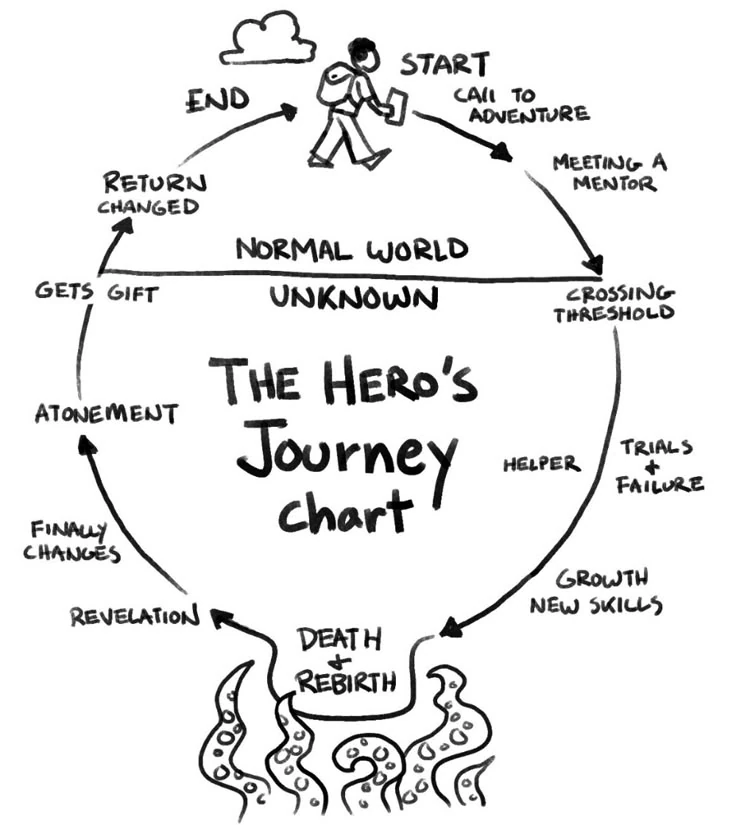
    the heroes journey

    Capturing Feelings with Precision

    Literary Snapshots of Emotion

    Lydia Davis’s “The Collected Stories” shows literature’s unique ability to capture and crystallize complex emotions in precise, powerful packages. Davis’s range—from sentence-long observations to multi-page explorations—proves that powerful writing isn’t about length but about emotional accuracy.

    Her story about the end of a relationship particularly struck Gerber: the recognition that even knowing the pain a relationship would cause, you’d still choose to pursue it. This paradox captures something essential about human nature that psychology might analyze but literature simply presents as truth. We make choices for reasons that go beyond rational cost-benefit analysis, and literature helps us understand and accept this complexity.

    Making Sense of Contradictions

    The story’s conclusion—that you might be left with nothing but pain and an old t-shirt, but you’d do it again anyway—shows literature’s power to make sense of seemingly contradictory human impulses. This isn’t advice in the traditional sense; it’s recognition and validation of feelings that might otherwise seem irrational.

    Literature excels at holding contradictions without resolving them, giving readers permission to embrace their own paradoxes. This emotional honesty creates deeper self-understanding than prescriptive self-help or theoretical analysis.

    Reclaiming Female Voices

    The Power of Women’s Perspectives

    Gerber’s exploration of correspondences between writers like AnaĂŻs Nin and Henry Miller, Jack Gilbert and Linda Gregg, revealed something crucial: the importance of seeing women in relationships from their own perspective. In a culture saturated with female characters filtered through male perception, authentic female voices become acts of revolution.

    These letters and literary exchanges provided Gerber with models for maintaining individual identity within relationships. The common fear that women lose themselves in romantic partnerships finds its antidote in literature that shows how whole people can exist within relationships while keeping their distinct voices.

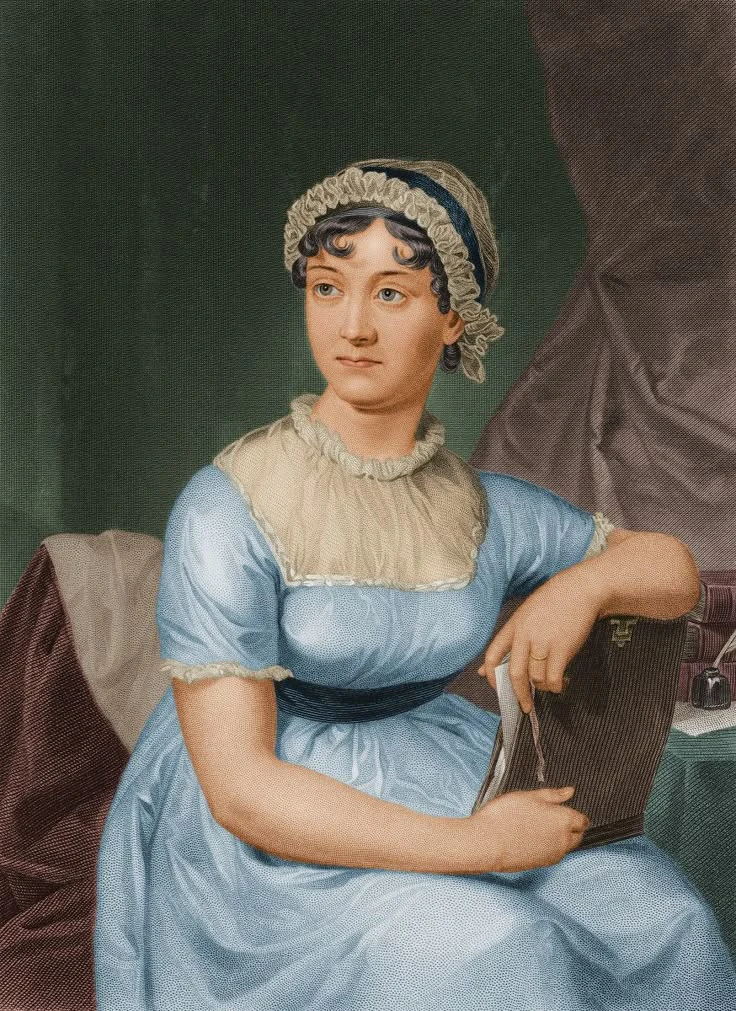
    the writer jane austen

    Love as Creative Partnership

    The correspondence between Gilbert and Gregg offers a powerful model of relationship as creative collaboration that transcends romance. Their continued creative dialogue after their romantic relationship ended shows that deep connection can evolve and endure in different forms. This literary relationship demonstrates how respect, artistic appreciation, and genuine care can create lasting bonds that enhance rather than diminish individual creative expression.

    Nin’s unapologetic erotic correspondence with Miller represents another form of female empowerment: the refusal to minimize authentic expression for social acceptability. Her willingness to “go there” without apology provides a model for embracing all aspects of identity.

    Literature as Teacher and Liberator

    Demanding Space Rather Than Asking Permission

    The women writers Gerber admires—Nin, Gregg, Babitz, Ursula Parrott, Annie Ernaux, bell hooks, Joan Didion—share a crucial characteristic: they demand rather than ask that readers follow them into their complex inner lives. Their works function as statements rather than questions, refusing to apologize for their complexity or make themselves smaller for easier consumption.

    This demanding quality teaches readers to expect and create space for their own complexity. When literature presents fully realized female characters who refuse to abandon any part of their identity to be heard, it gives readers permission to embrace their own multifaceted nature.

    Self-Validation Through Books

    Perhaps literature’s greatest gift is its ability to provide the validation and understanding we often seek from others. Through deep engagement with books, Gerber learned she could give herself the recognition and affirmation she had been seeking externally. Literature became a source of self-confirmation: proof of her intelligence, emotional depth, and capacity for complex thought.

    This internal validation proves more reliable and sustainable than external approval. When literature confirms your thoughts, feelings, and experiences as worthy of exploration, it builds unshakeable confidence in your own perceptions and value.

    Confronting Fear Through Literary Courage

    Keeping the Snake in Sight

    Joan Didion‘s philosophy of examination as a tool for diminishing fear connects perfectly with literature’s transformative power. Her metaphor of keeping “the snake in your eye line” so it won’t bite applies to how literature helps us confront difficult truths about ourselves and our world.

    By reading about experiences that scare, challenge, or disturb us, we develop courage to face similar situations in our own lives. Literature provides a safe space to explore dangerous emotions, difficult decisions, and complex moral situations without real-world consequences.

    Expanding What’s Possible

    Literature’s greatest promise is its ability to show us “every possibility, whether real or fantasy.” This comprehensive vision of human experience expands our understanding of what’s possible for our own lives. Through books, we can explore paths we might never take, understand perspectives we might never encounter, and develop empathy for experiences far from our own.

    Building Your Library of Self

    Gerber’s journey from a sixteen-year-old trying to fit in to a confident young woman who found her voice through literature shows reading’s transformative power. Her experience proves that education doesn’t require traditional institutions—it requires curiosity, commitment, and the courage to follow your authentic interests.

    The women writers who became her “companions and advisors” created a literary support system that provided wisdom, validation, and inspiration. Through their voices, she learned to value her own voice, trust her own perceptions, and embrace the full complexity of her identity.

    Literature offers us the chance to live multiple lives, explore infinite possibilities, and connect with minds across time and space. Most importantly, it provides a mirror in which we can see ourselves clearly—not as others perceive us, but as we truly are: complex, contradictory, beautiful, and worthy of attention.

    In a world that often demands we minimize ourselves for others’ comfort, literature teaches us the radical act of taking up space—on the page and in life. Through reading, we learn that our stories matter, our voices deserve to be heard, and our experiences, however messy or complicated, are worthy of exploration and celebration.

    The books we choose become part of us. They shape how we see ourselves and the world. In creating our own literary education, we’re not just learning about others’ stories—we’re discovering and writing our own.

  • Beyond the Pages

    Beyond the Pages

    Beyond the Pages: Why Experience Trumps Books in Life’s Greatest Lessons

    The Age-Old Question

    We’ve all heard the debate: Do we learn more from books or from living? While books have preserved human knowledge for thousands of years, there’s a simple truth that anyone who’s lived beyond the classroom knows: not everything worth learning is found in books.

    This challenges how we think about education. Our schools focus on textbooks and tests, but they often miss the profound wisdom that comes from actually living life. The most life-changing lessons rarely appear between book pages—they emerge from the messy, unpredictable journey of real experience.

    Two Different Ways of Learning

    Books: Quick Access to Human Knowledge

    Books are amazing storehouses of what humanity has learned. They let us explore centuries of wisdom, scientific discoveries, and creative ideas without leaving our chair. You can travel the world, understand complex theories, and learn from history’s greatest minds—all from your reading nook.

    Imagine wanting to learn about India. You could read travel guides, history books, and cultural studies. Within weeks, you’d know facts that might take years to learn firsthand. The information would be organized, researched, and easy to digest.

    But here’s the thing: this knowledge stays abstract. Mathematical formulas, scientific theories, and historical facts are valuable, but they create a filtered view of reality. Book knowledge is logical and follows patterns, but it lacks the messy complexity of real life.

    Experience: Learning Through Living

    When that same person actually travels to India, everything changes. They experience things no book can capture—the chaos of Mumbai streets, the spiritual energy of ancient temples, the warmth of village hospitality, or the challenge of navigating cultural differences in real time.

    This firsthand experience creates knowledge that’s deeply personal and practically useful. The traveler doesn’t just learn facts about India—they develop an intuitive understanding about human nature, cultural adaptation, and personal resilience. These lessons become part of who they are in ways that book knowledge rarely does.

    Why Experience Sticks Better

    Memory Through All Your Senses

    Here’s something fascinating about how our brains work: we remember experiences better than facts. When we learn through direct experience, we use multiple senses, emotions, and personal investment. Our brains create rich, detailed memories when we learn through trial and error, success and failure.

    Think about learning to drive. You could memorize every driving manual, traffic law, and safety procedure. But until you’re behind the wheel—feeling the car respond, making split-second decisions, experiencing the consequences—you haven’t really learned to drive. The hands-on knowledge becomes muscle memory and practical wisdom that serves you for life.

    man driving

    Drawing Your Own Conclusions

    Books give us conclusions that authors have drawn from their experiences and research. While valuable, these represent someone else’s interpretation of reality. When we learn through experience, we draw our own conclusions based on our unique circumstances and personality.

    This personal wisdom is irreplaceable. No two people will reach identical conclusions from similar experiences because everyone brings different backgrounds and values to their interpretation. This personalized knowledge becomes deeply woven into how we make decisions and see the world.

    Real Life Doesn’t Follow Textbooks

    When Theory Meets Reality

    Most subjects taught in books follow logical, predictable patterns. Science gives us formulas with consistent results, math offers equations with clear answers, and history presents events in order. This works great for building basic understanding, but falls short when dealing with real life’s chaos.

    Real situations rarely match textbook examples. A manager handling workplace conflict can’t just apply communication theories from a business book. Every situation involves unique personalities, power dynamics, and emotional undercurrents. The best solutions come from understanding these nuances through experience, not following prescribed formulas.

    Learning to Adapt

    Experience teaches adaptability in ways books cannot. When you’ve navigated various challenging situations, you develop “situational intelligence“—the ability to read contexts, understand unspoken dynamics, and adjust your approach accordingly.

    This adaptability is crucial for success in relationships, careers, and personal growth. Books provide frameworks and suggestions, but they can't account for the infinite variables in real-life situations. Experience teaches us to think quickly, read between the lines, and find creative solutions to new problems.

    Life’s Most Important Lessons

    Understanding People and Emotions

    Perhaps nowhere is book learning more limited than in developing emotional intelligence and social skills. No book can teach you how to comfort a grieving friend, navigate office politics, or maintain a relationship through tough times. These skills develop through countless interactions, mistakes, and adjustments.

    Books might explain theories about emotional intelligence, but only experience teaches you to recognize subtle signs of distress, know when to speak or listen, or adapt your communication style to different people. These abilities develop through social experience and can’t be fully learned from written words.

    Building Real Strength

    Life’s most profound lessons often come through adversity, failure, and unexpected challenges. Books can describe resilience, but they can’t build it. Resilience develops when you face actual hardships, make mistakes, experience setbacks, and discover your capacity to recover and grow stronger.

    The confidence from overcoming real challenges is fundamentally different from confidence gained by reading success stories. When you’ve actually navigated difficult periods, you develop unshakeable faith in your ability to handle future challenges. This earned confidence becomes a cornerstone of personal strength that no amount of reading can provide.

    The Best of Both Worlds

    Books as Your Starting Point

    While this essay emphasizes experiential learning, books and experience work best together. Books can provide frameworks and vocabulary that enhance our ability to learn from experience. They offer mental models and concepts that help us interpret our experiences more deeply.

    Books serve as excellent preparation. Reading about leadership before managing people, studying cultural customs before traveling, or understanding psychology before therapy can all enhance the learning process. However, reading alone isn’t enough—it must be followed by real-world application.

    The Learning Cycle

    The most effective learners create a cycle between reading and experiencing. They use books for context and framework, then test that knowledge through experience. This leads them to more specific reading, which informs further experience, and so on. This back-and-forth process creates deep, practical wisdom that neither books nor experience alone could provide.

    The Wisdom of Living

    In our modern world of information overload and academic credentials, we must remember experience’s irreplaceable value. While books provide valuable foundations and expand our thinking, the most meaningful learning happens when we engage directly with life’s challenges and opportunities.

    Knowledge gained through experience matters more because it’s personal, practical, and permanently part of who we are. It shapes not just what we know, but who we become. Experience teaches lessons we can’t forget because they become part of our identity.

    As we navigate our complex world, we should value both the wisdom in books and the wisdom earned through living. But remember: life’s most valuable lessons—love, resilience, creativity, leadership, and genuine happiness—aren’t learned by reading about them, but by living them.

    The richest education combines both approaches, but never forgets that experience remains our most profound and transformative teacher.

  • The Subtle Art of Not Giving a F*ck

    The Subtle Art of Not Giving a F*ck

    The Subtle Art of Not Giving a F*ck: A Guide to Living Authentically

    The Bukowski Paradox: When Less Becomes More

    Charles Bukowski lived a life that defied conventional wisdom. An alcoholic, a womanizer, a compulsive gambler—he seemed destined for obscurity. Yet this man, who appeared to care little about what others thought, became one of America’s most celebrated writers.

    His story reveals a powerful truth: sometimes the path to success isn’t about caring more, but about caring less about the wrong things.

    Bukowski’s journey wasn’t marked by overnight success or a polished image. Instead, he showed relentless dedication to what mattered most—his writing. He endured countless rejections, lived in poverty, and spent years in obscurity. But he didn’t waste energy on external validation or conventional success markers. He focused on his craft, his authentic voice, and his commitment to truth.

    When fame finally arrived, Bukowski remained unchanged. He had mastered what we might call the subtle art of selective caring—investing emotional energy only in what genuinely mattered while staying indifferent to everything else.

    Foundation: Choose Your Battles Wisely

    Lesson 1: Quality trumps quantity in everything you care about

    The key to a good life isn’t giving a fck about more things—it’s giving a fck about fewer, better things.

    Modern life overwhelms us with demands for attention. Social media notifications, workplace drama, celebrity gossip, political outrage—the list never ends. The secret to fulfillment isn’t expanding your concerns but dramatically shrinking them to what truly matters.

    This requires ruthless prioritization. Ask yourself: Does this directly impact my values, relationships, or long-term goals? If not, it belongs in the "don't give a f*ck" category.

    Your emotional energy is both finite and precious. Spend it wisely.

    Lesson 2: Indifference isn’t the goal—authenticity is

    Not giving a fck doesn’t mean becoming numb. It means becoming comfortable with being different.*

    There’s a crucial difference between apathy and selective caring. True freedom comes from choosing your battles consciously rather than reacting to every stimulus around you.

    Being comfortable with being different means accepting that your values might clash with popular opinion. It means pursuing your path even when others question your choices. This isn’t about being contrarian—it’s about having the courage to live by your own compass.

    Embracing Life’s Inevitable Challenges

    Lesson 3: Problems are features, not bugs

    Problems never disappear—they just get upgraded. Happiness comes from solving the right ones.

    Here’s a liberating truth: life will always present challenges. The fantasy of a problem-free existence isn’t just unrealistic—it’s counterproductive.

    Instead of trying to eliminate problems, focus on developing better problem-solving skills and choosing problems worth your time. Happiness isn’t the absence of difficulties; it’s the satisfaction that comes from tackling meaningful challenges.

    When you solve one problem, you earn the right to face a better, more interesting one. This perspective transforms obstacles from frustrations into growth opportunities.

    Lesson 4: Stop chasing happiness—let it find you

    The more desperately you pursue feeling good, the worse you’ll feel.

    Here’s a paradox: the harder you chase happiness, the more it runs away. Why? Because pursuing something reinforces that you lack it right now.

    Instead of chasing feelings, focus on actions and values. Satisfaction comes from living aligned with your principles, not from maintaining an emotional high. Accept that negative emotions are part of being human. Trying to avoid them entirely only gives them more power over you.

    The Power of Accepting Discomfort

    Lesson 5: Make friends with pain

    To avoid pain is to give too many fcks about pain. Stop caring about discomfort, and you become unstoppable.*

    Pain is the admission price for every worthwhile achievement. The key isn’t avoiding discomfort—it’s learning not to fear it while staying focused on your goals.

    This doesn’t mean seeking out unnecessary suffering. It means accepting discomfort as part of a meaningful life. When you stop fearing pain, you stop limiting your potential.

    Lesson 6: The liberation of self-acceptance

    Bukowski understood something profound: he was average by most measures, and he was okay with that.

    This wasn’t self-deprecation—it was freedom. By accepting his flaws and circumstances without shame, Bukowski freed himself from the exhausting task of maintaining a false image.

    The most powerful insight here: wanting more positive experiences is itself a negative experience, while accepting negative experiences is itself positive. Your relationship with your circumstances matters more than the circumstances themselves.

    The Mindset of Mastery

    Lesson 7: Greatness starts with admitting you’re not great

    People who become exceptional understand they’re currently average—and that’s perfectly fine.

    True mastery begins with humility. The first step toward excellence is honest self-assessment. Those who achieve greatness don’t delude themselves about their current abilities—they see their limitations clearly.

    This mindset transforms failure from shame into valuable feedback. Every mistake becomes data for improvement rather than evidence of inadequacy. Being willing to be mediocre today enables you to be exceptional tomorrow.

    Breaking Free from Cultural Myths

    Lesson 8: The tyranny of positive expectations

    Our culture demands: Be happier. Be healthier. Be the best. Be smarter, faster, richer, sexier.

    Modern culture sells us the lie that we should excel in every area of life. This creates a generation that feels inadequate for being normal. The truth? Even the happiest, healthiest, most successful people experience struggles and setbacks.

    The pressure to constantly improve everything is both unrealistic and counterproductive. It spreads your focus thin and creates anxiety about areas that might be perfectly fine as they are.

    Choose your growth areas carefully. Give yourself permission to be average in the rest.

    Lesson 9: Less is more—especially with choices

    Fewer choices mean fewer fcks to give, which means a happier life.*

    The abundance of modern choices can be paralyzing. Every decision requires emotional energy, and decision fatigue is real.

    Deliberately limit your options. Create personal rules that eliminate unnecessary choices. This frees up mental resources for what truly matters.

    Develop routines that automate daily decisions. Set clear boundaries about which opportunities you’ll consider. The goal isn’t restriction—it’s creating space for what you value most.

    Living the Art of Authentic Caring

    The subtle art of not giving a f*ck isn’t about becoming cold or indifferent. It’s about developing the wisdom to distinguish what deserves your emotional investment from what doesn’t.

    It’s about having the courage to live authentically, even when that means standing apart from others.

    Like Bukowski, we can find freedom in accepting our imperfections while staying committed to what we truly value. When success comes, it becomes a natural result of authentic living rather than its desperate goal.

    The real victory lies in the daily choice to give a f*ck about the right things and let go of everything else.

    Remember: Your life becomes extraordinary not by caring about everything, but by caring deeply about the few things that truly matter.

    Choose wisely. Act authentically. Don’t give a f*ck about the rest.

  • Breaking the Cycle: How Your Past Can Fuel Your Future

    Breaking the Cycle: How Your Past Can Fuel Your Future

    Your personal history isn’t just a collection of memories—it’s a roadmap to transformation. When you honestly examine your past patterns, you discover something profound: the key to changing your future lies in understanding your past.

    The Power of Pattern Recognition

    Take a moment to reflect on your personal history. Not the highlight reel you share with others, but the raw, honest truth of your experiences. Look for the recurring themes:

    The weight loss attempts that started with enthusiasm but ended with late-night food binges.

    The early morning plans that dissolved the moment your alarm went off, leaving you rushing through another chaotic day.

    The moments of inspiration when you promised yourself you’d finally change, only to find yourself back in the same comfortable ruts weeks later.

    When you step back and examine these patterns objectively, a startling truth emerges: history doesn’t just rhyme—it repeats. The same self-defeating behaviors, the same rationalizations, the same cycles of good intentions followed by familiar failures.

    But here’s what makes this realization powerful: once you recognize these patterns, you can interrupt them.

    The Raw Truth of Handwritten History

    There’s something uniquely powerful about confronting your past in your own handwriting. Digital records feel sanitized and distant, but handwritten journals carry the weight of authentic experience. Your messy handwriting captures the raw emotions and honest thoughts of your past self.

    When you read your own words describing past struggles, defeats, and disappointments, something ignites inside you. This isn’t someone else’s story—it’s yours. These aren’t abstract lessons—they're lived experiences with real consequences.

    This confrontation with reality can be uncomfortable, even painful. But it’s also incredibly motivating. When you see the clear pattern of how your past choices led to your present circumstances, you gain unprecedented clarity about what your future will look like if nothing changes.

    hand writing something on the paper

    The Mirror of Future Consequences

    Perhaps the most sobering realization from examining your personal history is this: if you don’t act now, your future will echo your past. The patterns you’ve established, the habits you’ve reinforced, the choices you’ve normalized—they will continue to compound, creating more of the same results.

    Looking into your future through the lens of your past patterns reveals a kind of death—not physical death, but the death of potential, the death of dreams, the death of the person you could become.

    This vision isn’t meant to discourage you. It’s meant to create the urgency necessary for real change.

    The beauty of this realization is that it comes with immediate power: if your past patterns predict your future, then changing those patterns can redirect your entire life trajectory.

    Transforming History into Fuel

    The true test comes when you make a concrete commitment to change. Whether it’s a 100-day challenge or any specific period, using your personal history as fuel transforms your past from a source of shame into a source of strength.

    During moments of weakness—when you feel like quitting, sleeping in, or reverting to old patterns—your diary and memories become your most powerful allies. Instead of relying on generic motivational content, you tap into the specific pain and regret of your own experiences.

    It’s almost magical: suddenly you don’t feel like eating those donuts. You don’t feel like sleeping in anymore. The abstract desire for improvement becomes concrete resolve backed by personal experience.

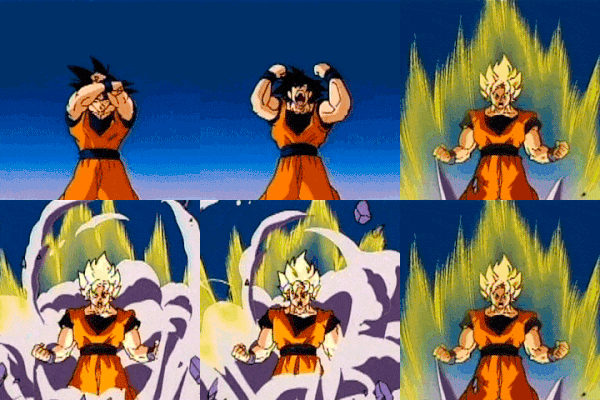
    goku transformed

    From Shame to Strength

    When you find yourself wanting to slip up and yield to weakness, remember how it felt last time you did that—the shame, the disappointment, the sense of letting yourself down. These aren’t pleasant memories, but they’re incredibly motivating ones.

    If you have a journal, read those entries from painful moments and difficult periods. Let yourself feel the full weight of those experiences, not to torture yourself, but to remind yourself why change is necessary. If you don’t have a journal, your memories will be more than enough—your mind has recorded every significant moment of triumph and failure.

    The transformation happens when shame becomes fuel rather than paralysis. Instead of being overwhelmed by past mistakes, you become determined never to repeat them. Your personal history shifts from being a source of self-criticism to being a source of self-motivation.

    Beyond the Games We Play

    The time for playing games with yourself is over. This isn’t about perfectionism or self-punishment—it’s about recognizing that your life deserves more than endless cycles of good intentions followed by familiar failures.

    Your past has prepared you for this moment.

    Every disappointment, every failed attempt, every moment of shame—they’ve all been building toward this realization: you have the power to break the cycle.

    The question isn’t whether you can change. The question is whether you will use the hard-earned wisdom of your past to fuel the transformation of your future.

    Your history is waiting to become your greatest teacher. Are you ready to learn?

  • The Mongol Empire Mindset

    The Mongol Empire Mindset

    The Mongol Empire Mindset: How to Stop Negotiating with Yourself and Start Conquering Your Life

    The Two-Option Philosophy: Conquer or Be Conquered

    In the 13th century, the Mongol Empire became the largest contiguous land empire in human history. It stretched from Eastern Europe to the Pacific Ocean—a feat that seems impossible today.

    Their success wasn’t built on superior technology or overwhelming numbers. It was built on an unwavering philosophy that offered only two options: conquer the day or let the day conquer you.

    This binary approach eliminated the paralysis of choice and the weakness of indecision. When you run your life like a 13th-century Mongol Empire, you stop negotiating with yourself and start executing with ruthless consistency.

    There’s no middle ground. No comfortable mediocrity. No room for the endless internal debates that keep most people trapped in cycles of procrastination and self-defeat.

    The modern world has given us infinite options, endless distractions, and comfortable excuses. But true success requires adopting the Mongol mindset: decisive action, unwavering commitment, and the elimination of negotiation with your own standards.

    The Modern Battlefield: Fighting Your Own Mind

    We’ve all experienced the cycle that defines modern failure.

    You’re scrolling through social media when a motivational video appears—perhaps a David Goggins compilation highlighting mental toughness and discipline. Suddenly inspired, you set your alarm for 5 AM, convinced that tomorrow will mark the beginning of your transformation.

    But when that alarm sounds, you face the ultimate test of your character.

    You’re warm under your duvet. The room is cold. Your bed feels like the most comfortable place in the universe. This is your moment of truth—your personal invasion of China.

    Will you storm forward with Mongol-like determination? Or will you hit the snooze button and wake up at 10:30 AM feeling ashamed rather than accomplished?

    This daily battle between your aspirational self and your comfort-seeking self is where most dreams go to die.

    It’s not dramatic failures that destroy our potential. It’s the small, seemingly insignificant moments when we choose comfort over commitment, negotiation over execution.

    Learning from History’s Greatest Conquerors

    When the Mongols stormed into China in 1205, they didn’t pause to negotiate. They didn’t politely ask if it was convenient. They didn’t wait for perfect conditions.

    They rode in decisively, with unwavering purpose, relentlessly pursuing their goal of conquest and expansion. Rain or shine, comfort or discomfort, they executed their mission regardless of how they felt about it.

    This wasn’t reckless aggression—it was strategic ruthlessness.

    The Mongols understood three crucial truths:

    • Hesitation breeds defeat
    • Negotiation with obstacles leads to compromise
    • Feelings are irrelevant to outcomes

    They had eliminated the space between decision and action, between intention and execution. There was no room for negotiation, no tolerance for weakness, no acceptance of complacency.

    They simply performed, day in and day out, with a consistency that eventually conquered much of the known world.

    guys playing chess

    The Modern Application: Conquering Without Pillaging

    Obviously, this doesn’t mean literally pillaging your neighborhood or besieging your local coffee shop.

    The Mongol Empire mindset is about adopting their psychological approach to obstacles, not their military tactics. It’s about bringing that same non-negotiable attitude to your personal goals and daily commitments.

    If you adopted even a fraction of that unyielding mindset toward your goals, you would transform your entire life.

    The key is understanding that the same principles that built empires can build personal success: decisive action, unwavering commitment, and the refusal to negotiate with your own standards.

    This means:

    • When your alarm goes off at 5 AM, you get up—not because you feel like it, but because that’s what you decided to do
    • When it’s time to go to the gym, you go—regardless of motivation, energy levels, or convenient excuses
    • When you’ve committed to a goal, you pursue it with the same relentless determination that the Mongols showed in their conquests

    The Transformation Promise: Becoming Your Idealistic Self

    The ultimate reward for adopting this mindset isn’t just achieving your goals. It’s becoming the idealistic version of yourself that your 10-year-old self always dreamed you’d become.

    That child had unlimited faith in your potential, unshakeable belief in your abilities, and complete confidence that you would grow up to do amazing things.

    Most people spend their entire lives disappointing their younger selves. They compromise their dreams, negotiate away their standards, and settle for versions of success that fall far short of their original vision.

    The Mongol Empire mindset offers a different path: the possibility of actually living up to your own expectations.

    When you stop negotiating with yourself, when you execute regardless of feelings, when you conquer each day with purposeful action, you gradually become someone your younger self would genuinely admire.

    You become someone who:

    • Keeps promises to themselves
    • Follows through on commitments
    • Turns intentions into reality

    The Snowball Effect: From Mornings to Lifetimes

    The act of non-negotiation creates a powerful snowball effect that compounds over time. This isn’t just motivational rhetoric—it’s a psychological reality that transforms your entire approach to life.

    • Win enough mornings, and you start winning entire days. When you consistently execute your morning routine without negotiation, you build momentum that carries through every subsequent decision. The discipline required to get up early strengthens your ability to make difficult choices throughout the day.
    • Win enough days, and you win entire weeks. Daily victories accumulate into weekly patterns of success. Your confidence grows, your capabilities expand, and your identity shifts from someone who makes excuses to someone who makes things happen.
    • Win enough weeks, and you win the year. Weekly consistency transforms into monthly achievements, quarterly milestones, and annual accomplishments that seemed impossible when you were still negotiating with yourself.

    Stack enough years together, and you may find yourself winning your entire life. This isn’t hyperbole—it’s the mathematical reality of compound consistency.

    The Psychology of Non-Negotiation

    The power of the Mongol Empire mindset lies in its elimination of internal conflict.

    When you remove negotiation from the equation, you eliminate the mental energy typically wasted on internal debates. You’re no longer fighting yourself—you’re simply executing predetermined decisions.

    Most people exhaust themselves before they even begin. They constantly question their commitments, renegotiate their standards, and seek comfortable alternatives to difficult actions.

    The Mongol mindset bypasses this energy drain by making execution automatic and non-negotiable.

    This doesn’t mean becoming rigid or inflexible. It means being decisive about your core commitments and ruthless about following through. You can adapt your tactics while maintaining an unwavering commitment to your strategic objectives.

    Practical Implementation: Your Daily Conquest

    Start Small but Be Absolute

    Choose one daily commitment that you will execute without negotiation. Perhaps waking up at a specific time, exercising for a set duration, or spending time on a crucial project.

    Make this commitment non-negotiable regardless of feelings, circumstances, or convenient excuses.

    Eliminate the Space Between Decision and Action

    When it’s time to execute, move immediately without allowing internal debate. The Mongols didn’t pause to consider their feelings about conquest—they simply conquered.

    View Obstacles as Part of the Conquest

    The Mongols expected resistance and planned for difficulty. Your comfort zone, your excuses, and your limiting beliefs are simply territories to be conquered, not permanent barriers to success.

    Celebrate Victories but Never Negotiate Defeats

    When you succeed, acknowledge the victory and build momentum. When you face setbacks, recommit to your non-negotiable standards without compromise.

    The Identity Shift: From Negotiator to Conqueror

    Perhaps the most profound aspect of adopting the Mongol Empire mindset is how it fundamentally changes your identity.

    You shift from being someone who hopes and wishes to someone who decides and executes. You transform from a person who makes excuses to a person who makes progress.

    This identity shift affects every area of your life. When you know yourself as someone who doesn’t negotiate with their own commitments, you naturally make better decisions, set higher standards, and achieve more ambitious goals.

    Your reputation with yourself becomes unshakeable. You become someone you can trust, someone you can count on, someone who keeps promises—especially the promises you make to yourself.

    The Long-Term Vision: Building Your Empire

    The Mongol Empire wasn’t built in a day, but it was built one decisive action at a time.

    Your personal empire—whether that’s a successful career, strong relationships, excellent health, or meaningful contributions—is built the same way: through daily acts of non-negotiable execution.

    Every morning you conquer is a territory added to your empire. Every commitment you honor without negotiation expands your domain of personal mastery. Every excuse you refuse to accept strengthens your resolve and increases your capacity for future conquests.

    The Choice That Defines Everything

    At the end of each day, you face the same choice that defined the Mongol Empire:

    will you conquer or be conquered?

    Will you execute your commitments with unwavering determination, or will you negotiate them away in favor of temporary comfort?

    The Mongol Empire mindset isn’t about aggression toward others—it’s about being relentlessly committed to your own growth and success. It’s about refusing to accept mediocrity from yourself, eliminating the internal negotiations that lead to compromise, and executing your vision with the same determination that once conquered continents.

    Your life is your empire, and every day is your opportunity to expand it. The question isn’t whether you have the capability—it’s whether you have the commitment to stop negotiating with yourself and start conquering your potential.

    The choice is yours: conquer the day, or let the day conquer you.

    Choose like a Mongol, and build an empire worthy of your younger self's dreams.
  • Mastering the Art of Unproductivity

    Mastering the Art of Unproductivity

    Why Doing Nothing is the New Productivity

    The End of the Productivity Cult

    For decades, we’ve been trapped in the cult of productivity. We’ve been told that success equals hustle, that every moment must be optimized, and that idle time is wasted time. The mantra of “work harder, work longer, work smarter” has dominated our lives, creating a generation that feels guilty about any moment not spent in productive pursuit.

    But we’re witnessing a fundamental shift. The days of grinding through endless meetings, optimizing every minute, and treating busyness as a badge of honor are ending. Artificial intelligence has fundamentally altered what productivity means, and those clinging to outdated success models will find themselves increasingly irrelevant.

    To achieve true success in this new era, you must first master the art of unproductivity—and this requires getting comfortable with what feels like wasting time.

    The AI Revolution: When Machines Handle the Mundane

    This transformation isn’t theoretical—it’s happening now. ChatGPT and similar AI tools can complete administrative tasks faster than it takes to make breakfast. What once required hours of tedious work—writing emails, analyzing data, creating reports, scheduling meetings—can now be accomplished in minutes with the right prompts.

    This technological revolution has created an unprecedented situation: we suddenly have vast amounts of time that were previously consumed by routine tasks. The question isn’t whether this will continue—it’s what we’ll do with this newfound freedom.

    Most people will waste this opportunity. They’ll fill the void with more meetings, more busywork, more artificial urgency. But the wise will recognize this moment for what it truly is: an invitation to rediscover the lost art of deep thinking, creativity, and genuine innovation.

    Embracing the Void: The Luxury of Boredom

    We now have the unprecedented luxury of doing absolutely nothing—and this isn’t a problem to be solved, but a gift to be embraced. By allowing ourselves to experience genuine boredom, we create the conditions necessary for breakthrough thinking.

    When we constantly fill our minds with stimulation—podcasts during commutes, social media during breaks, Netflix during downtime—we never give our brains the space they need to make unexpected connections. Boredom isn't the enemy of creativity; it's creativity's most essential ingredient.

    Through sheer boredom, we allow the sparks of our mind to kindle into a roaring flame. The moments when we’re not actively consuming information or completing tasks are precisely when our subconscious minds can process, synthesize, and generate truly original ideas.

    The Renaissance Mindset: When Art and Problem-Solving Ruled

    We’re entering an era that mirrors the Renaissance, when the arts and the ability to solve complex problems were the dominant forces shaping civilization. During the Renaissance, the greatest minds weren’t those who could complete the most tasks efficiently—they were those who could think differently, create beauty, and solve problems that had never been solved before.

    Leonardo da Vinci didn’t optimize his schedule for maximum output; he followed his curiosity wherever it led. Michelangelo didn’t hustle through his sculptures; he spent years perfecting each masterpiece. These individuals understood that true innovation requires time, space, and the freedom to explore ideas without immediate practical application.

    As AI handles more routine cognitive tasks, human value will increasingly lie in our ability to think creatively, solve novel problems, and create meaning—skills that can’t be rushed or optimized through traditional productivity methods.

    renaissance arts

    The Power of Purposeful Wandering

    Consider this scenario: it’s 3 PM, you’ve finished your essential tasks, and you feel restless. The old productivity mindset would demand you find something “useful” to do. The new approach suggests taking a walk through nature, like Socrates wandering through ancient Athens.

    This isn’t laziness disguised as philosophy. Steve Jobs, Charles Darwin, and countless other visionaries attributed their breakthrough insights to two common factors: surprisingly low work hours accompanied by an abundance of restful activities, particularly walking.

    Walking, especially in natural settings, creates the perfect conditions for creative thinking. The rhythmic movement, the changing scenery, and the lack of specific objectives allow the mind to wander freely and make unexpected connections.

    For maximum benefit, leave your headphones at home and walk in silence. That silence will transform the sparks of your imagination into a roaring blaze of creativity and insight.

    man walking in the threes

    Reclaiming the Lost Art of Daydreaming

    Remember being scolded in school for daydreaming during math class? While your teacher wrote equations on the whiteboard, your mind would drift to elaborate fantasies and imaginative scenarios. We were taught that daydreaming was bad, unproductive, and a waste of time—but this couldn’t be further from the truth.

    When we daydream, we activate our imagination and escape the tyranny of our to-do lists. We give our minds permission to explore possibilities without constraints, to make connections between seemingly unrelated concepts, and to envision futures that don’t yet exist.

    The tragedy of modern education and professional development is how systematically we’ve had this natural capacity eroded. As children, we’re born with an abundance of imagination, but as we grow older, this skill is gradually trained out of us. Few people manage to retain their imaginative capabilities into adulthood, and those who do possess a tremendous advantage in an AI-dominated economy.

    Lack of imagination is becoming a disease slowly infecting modern society. In a world where machines can handle logical, systematic tasks better than humans, our imaginative capacity becomes our most valuable differentiator.

    The New Elite: Embracing Strategic Solitude

    Being unproductive often means being alone, which makes solitude seekers the new elite. This isn’t about antisocial behavior or avoiding human connection—it’s about understanding that being constantly surrounded by company mutes your mind and prevents deep thinking.

    Without true solitude, it’s nearly impossible to dig up the great ideas that lie buried deep within your consciousness. The constant chatter, the social expectations, and the need to respond to others’ energy prevents the kind of introspective thinking that leads to breakthrough insights.

    This doesn’t mean isolating yourself like a hermit or avoiding all social interaction. The key is being intentional about your social time rather than spending time with people simply to avoid being alone. Seek out those who energize you, who challenge your thinking, who breathe life into your ideas and aspirations.

    Finding truly inspiring people is rare—they’re diamonds in the rough. Until you find them, learn to love your own company. Develop a rich inner life that doesn’t depend on constant external stimulation or validation.

    The Creativity Imperative: Your Only Sustainable Advantage

    Here’s the fundamental truth that most people haven’t grasped yet: productivity no longer matters in the traditional sense. What matters now is creativity. In an economy where AI can handle routine cognitive tasks with superhuman efficiency, human value lies in our ability to think originally, create beauty, and solve problems that require intuition, empathy, and imagination.

    Getting comfortable with feeling like you’re wasting time is essential because unproductivity is the only reliable path to increased creativity. And increasing your creativity is the only way to outperform AI and create a career path that’s both fulfilling and sustainable.

    Practical Steps for Mastering Unproductivity

    Embrace empty time blocks in your schedule without feeling compelled to fill them with activities. Use these periods for walking, reflecting, or simply sitting with your thoughts.

    Create tech-free zones in your day where you’re not consuming information or responding to digital demands. This might be the first hour after waking up, during meals, or before bedtime.

    Practice saying no to low-value social obligations that drain your energy without providing genuine connection or inspiration. Protect your solitude as jealously as you once protected your productivity.

    Engage in activities that require sustained attention without immediate practical outcomes—reading fiction, learning a musical instrument, sketching, or studying subjects that fascinate you purely for their own sake.

    Caring for Your Greatest Asset

    Your mind is your greatest asset, especially in an era where mental creativity and originality are becoming increasingly valuable. Just as athletes must rest between training sessions to allow their muscles to recover and grow stronger, your mind needs periods of apparent inactivity to process information, make connections, and generate new ideas.

    Taking care of your mind means giving it the space, silence, and freedom it needs to function at its highest level. This often looks like unproductivity to outside observers, but it’s actually the most important work you can do.

    The Courage to Appear Unproductive

    Mastering the art of unproductivity requires courage—the courage to appear lazy to those who don’t understand the new rules of success, the courage to resist the cultural pressure to stay constantly busy, and the courage to trust that your mind knows what it needs to produce its best work.

    In a world obsessed with optimization and efficiency, choosing to be strategically unproductive is a radical act. It’s a declaration that you understand the true sources of human value and are willing to cultivate them, even when they can’t be easily measured or quickly monetized.

    The future belongs to those who can think deeply, create originally, and solve problems that require genuine human insight. These capabilities can’t be rushed, optimized, or achieved through traditional productivity methods. They require time, space, solitude, and the willingness to appear unproductive while doing the most important work of all: thinking.

    Get comfortable with the feeling that you’re wasting time, because in this new economy, that feeling might be the most reliable indicator that you’re actually investing in your future success.

  • The Unlikely Teacher: Finding True Resilience in Berserk

    The Unlikely Teacher: Finding True Resilience in Berserk

    Beyond the Self-Help Shelf: Wisdom in Unexpected Places

    When we think about books that teach resilience, our minds typically drift toward familiar territory: self-help literature with its clinical studies, motivational quotes, and step-by-step guides to building mental toughness. Yet sometimes, the most profound lessons about human endurance come from the most unexpected sources.

    The greatest novel ever written about resilience might not be found in the psychology section of your bookstore. Instead, it exists as a Japanese manga created by Kentaro Miura in 1988, known simply as “Berserk.”

    This isn’t just another recommendation to broaden your reading horizons. Berserk contains more authentic wisdom about perseverance and human resilience than entire libraries of conventional self-help books. While other works tell you how to be resilient, Berserk shows you what resilience actually looks like when stripped of all pretense and pushed to its absolute limits.

    Breaking Down the Barriers: Comics as Literature

    There’s an unfortunate prejudice against comics and manga as serious literature. Many dismiss these mediums as childish entertainment, missing the profound philosophical and psychological depths that the best examples contain. This dismissive attitude prevents people from accessing some of the most powerful storytelling and life lessons available in contemporary literature.

    Berserk stands as a testament to the potential of visual storytelling to explore the deepest aspects of human experience. Through its nearly 400 chapters, Miura created not just entertainment, but a meditation on suffering, perseverance, and the indomitable nature of the human spirit. The visual medium allows for an immediacy and emotional impact that traditional prose sometimes struggles to achieve.

    Meet Guts: The Embodiment of Endurance

    The protagonist of Berserk, known simply as Guts, represents perhaps the most compelling example of resilience in all of literature. His story is not one of triumph over adversity, but of endurance despite seemingly endless suffering. To understand the magnitude of his resilience, we must first comprehend the scope of his challenges.

    Imagine being subjected to physical and emotional trauma equivalent to “getting punched in the gut by Prime Mike Tyson every single day for the rest of your life” while simultaneously being cursed with insomnia and constant physical ailment. This hyperbolic comparison barely scratches the surface of what Guts endures throughout his journey. His suffering is so comprehensive, so relentless, that it becomes almost mythological in scope.

    Yet this isn’t suffering for suffering’s sake. Miura uses Guts’ extreme circumstances to explore what happens when a human being is pushed beyond all reasonable limits—and chooses to keep going anyway.

    mike tyson punching

    The Sisyphean Choice: Rolling the Boulder by Will

    The most powerful metaphor for Guts’ existence comes from the image of rolling a boulder up a mountain, only to be crushed by that same boulder at the end of each day. This clearly echoes the myth of Sisyphus, the king condemned by the gods to push a boulder up a mountain for eternity, only to watch it roll back down each time he neared the summit.

    But here’s where Guts transcends even Sisyphus: he chooses his boulder. While Sisyphus was condemned by divine punishment, Guts continues his struggle by choice. Every morning, despite knowing the likely outcome, despite the crushing weight of previous failures, he picks up his metaphorical boulder and begins climbing again.

    This daily choice to continue represents the essence of true resilience. It’s not about being unbreakable—Guts breaks constantly. It’s not about being optimistic—Guts has every reason for despair. It’s about showing up, regardless of the odds, regardless of the pain, because showing up is the only option that leads anywhere.

    The Brutal Truth: Progress Isn’t Linear

    One of the most honest aspects of Guts’ journey is how it reflects the reality of pursuing difficult goals. Progress is not linear, and success is not guaranteed. For every step forward, there often seem to be two steps back. This pattern can be devastating to anyone pursuing challenging dreams or working through significant obstacles.

    Traditional motivational literature often glosses over this reality, presenting resilience as a steady upward climb. Berserk, by contrast, shows us that true resilience means continuing to move forward even when progress seems impossible to measure. Some days, simply surviving is victory enough. Some days, not giving up is the greatest achievement possible.

    This realistic portrayal of struggle makes Guts’ resilience all the more inspiring. He doesn’t succeed because he’s special or chosen—he endures because he refuses to stop trying.

    The Question That Defines Everything

    Throughout his 378-chapter journey, Guts faces a fundamental question that every person pursuing difficult goals must eventually confront: "What's the point of all this? Why am I even showing up?" This existential crisis is perhaps more dangerous than any physical enemy he faces.

    The temptation to quit, to “throw in the towel,” becomes overwhelming when progress seems nonexistent and suffering appears endless. This is the moment that separates those who achieve their dreams from those who abandon them. It’s not talent, luck, or circumstances that make the difference—it’s the decision to continue when continuation seems pointless.

    Guts provides the answer not through words but through actions: you show up because showing up is what defines you. You continue because your dreams were never meant to be easy—if they were easy, everyone would achieve them.

    The Selectivity of Dreams Worth Pursuing

    This brings us to a crucial insight that Berserk illustrates perfectly: truly meaningful dreams are reserved for a select few, and that selectivity is determined not by privilege or talent, but by willingness to endure. The dreams worth pursuing are, by definition, difficult enough to eliminate most people through the simple process of attrition.

    This isn’t meant to be discouraging—it’s meant to be empowering. If you’re still standing, still fighting, still showing up despite repeated setbacks, you’re already demonstrating that you belong to that select group. Your willingness to continue when others would quit is proof of your worthiness to achieve what others cannot.

    Glory Redefined: The Journey Is the Destination

    Perhaps the most profound lesson from Guts’ story is the realization that the goal was never really about reaching the mountaintop. The glory isn’t in the destination—it’s in the transformation that occurs through the journey of trying to reach it.

    Every day that Guts chooses to continue, he becomes a stronger version of himself. Not necessarily physically (though that too), but mentally, emotionally, and spiritually. The person who can endure what seems unendurable is fundamentally different from the person who gives up when things get difficult.

    This transformation is the real victory. It’s about becoming the version of yourself that would make your younger self proud—the version that never said surrender, never gave in, never stopped believing in the possibility of something better.

    The Mirror Test: Making Your Younger Self Proud

    The ultimate test of resilience isn’t whether you achieve your specific goals—it’s whether you can look in the mirror and respect the person looking back at you. Can you honestly say to your ten-year-old self that you didn’t give up on the dreams that mattered most?

    This isn’t about perfection or constant success. It’s about persistence, about maintaining the “burning spirit to conquer any and all challenges that life decides to throw your way.” It’s about proving to yourself that you’re the kind of person who doesn’t quit when things get difficult.

    monster see in the mirror

    The Enduring Spirit: Character Beyond Circumstances

    What makes Berserk such a powerful teacher of resilience is that it strips away all the comfortable illusions about success and failure. It shows us that resilience isn’t about avoiding suffering or guaranteeing positive outcomes—it’s about enduring regardless of circumstances.

    Guts doesn’t keep going because he knows he’ll win. He keeps going because that’s who he is. His identity is defined not by his victories but by his refusal to surrender. This is the kind of resilience that can’t be broken by external circumstances because it comes from an internal decision about who you choose to be.

    The Choice to Endure

    In a world full of quick fixes and instant gratification, Berserk offers a different model of human strength. It suggests that the highest form of courage isn’t the absence of fear or doubt, but the decision to continue despite both. It’s about rolling that boulder up the mountain not because you’re sure you’ll succeed, but because the act of rolling it transforms you into someone capable of success.

    The next time you face overwhelming odds, crushing setbacks, or the temptation to give up on something that matters to you, remember Guts. Remember that showing up when everything seems hopeless is not just an act of resilience—it’s an act of self-creation. You’re not just pursuing your dreams; you’re forging the character that will be worthy of achieving them.

    Be resilient. Be like Guts. Because at the end of the day, it was never really about the glory—it was about becoming someone who never surrenders.