Author: Victor de Paula

  • How “The Creative Act” by Rick Rubin Transformed My View on Art

    How “The Creative Act” by Rick Rubin Transformed My View on Art

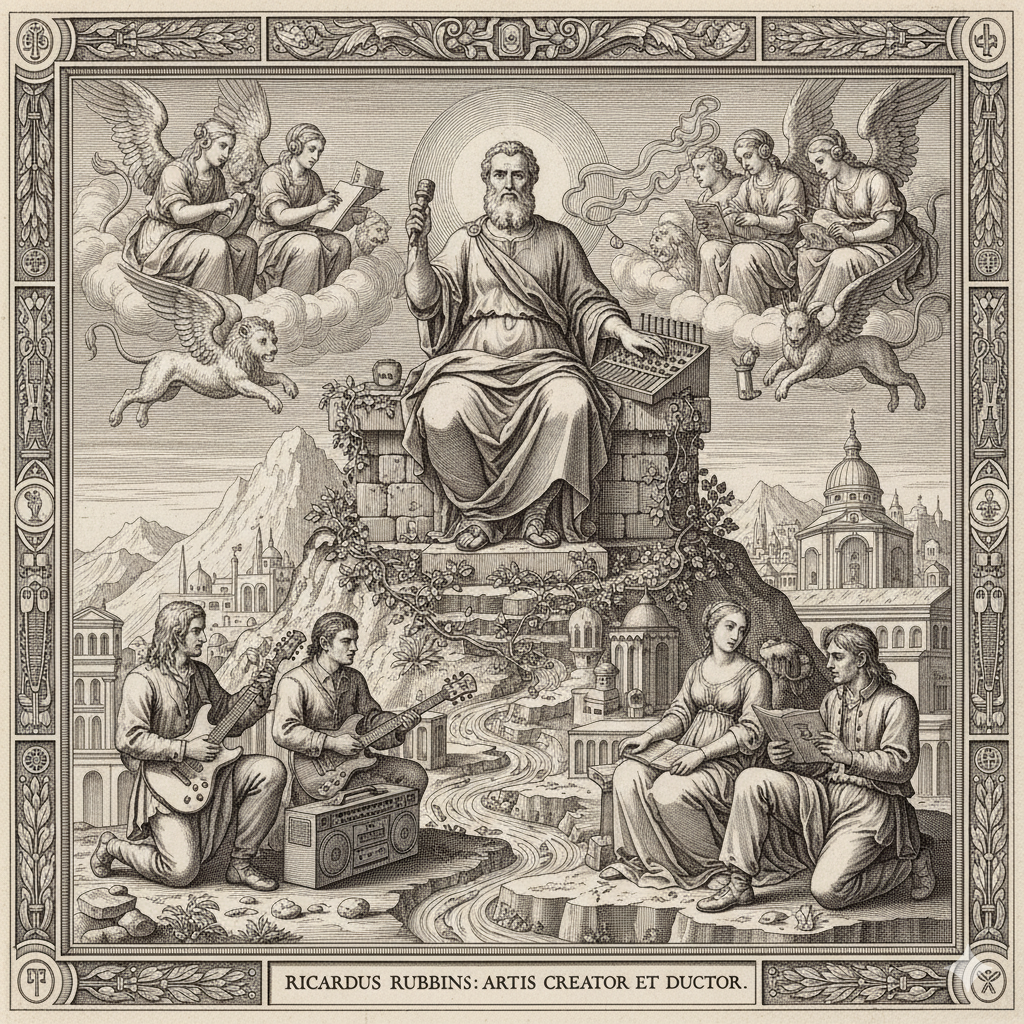
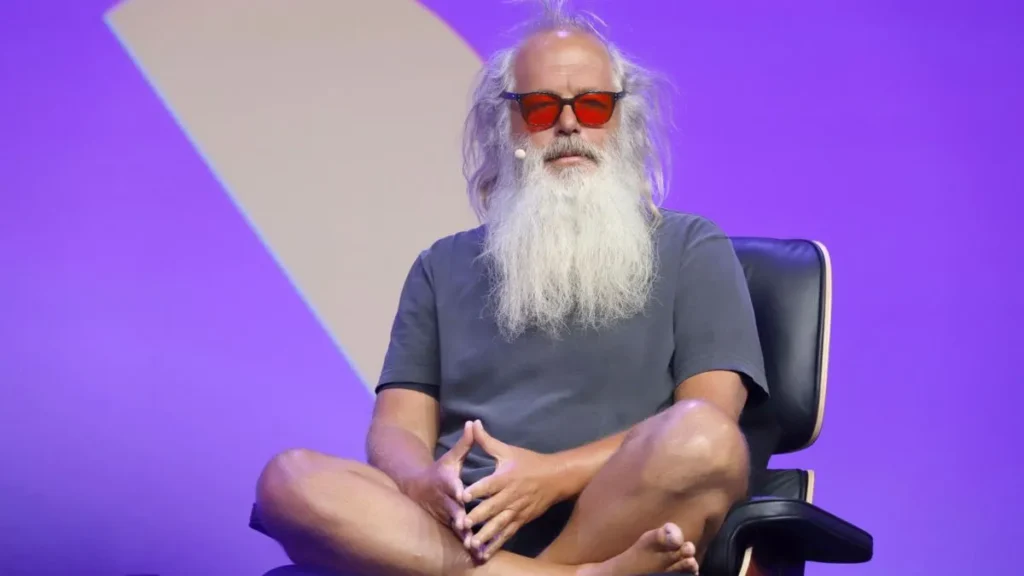
    The producer Rick Rubin
    The producer Rick Rubin

    The Main Teachings from the Book “The Creative Act” by Rick Rubin

    What should you expect from this legendary figure? Here’s how Rick Rubin defined art in his book, The Creative Act.

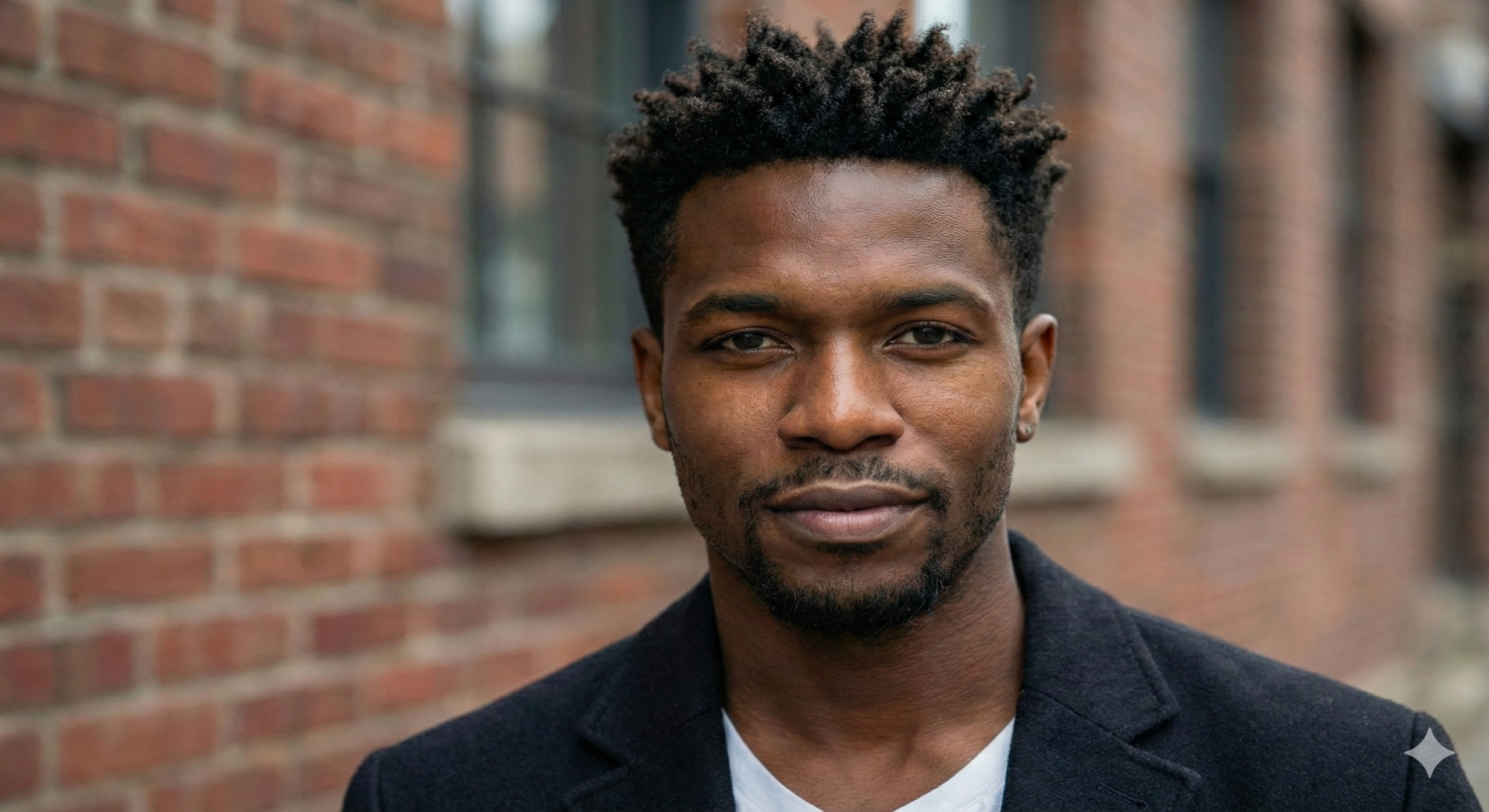
    When you see the man in the photo, you probably wouldn’t guess that he:

    • Produced for Lady Gaga, Metallica, Linkin Park, and Johnny Cash.
    • Was a vegan for 20 years.
    • Doesn’t play any musical instruments.
    • Has a net worth of $300 million and prefers to walk barefoot.

    But this book isn’t about him. It’s about the ideas he conveys through his words. Rick Rubin himself states that he gets paid (and handsomely) for his ability to discern what is good and to help the artist find it within their own creative process.

    Regardless, I have never read anything quite like this book before. He managed to put into words his vision of what art is: how it occurs both within and around us, and how we can tap into that marvelous energy and transform it into… a finished Work.
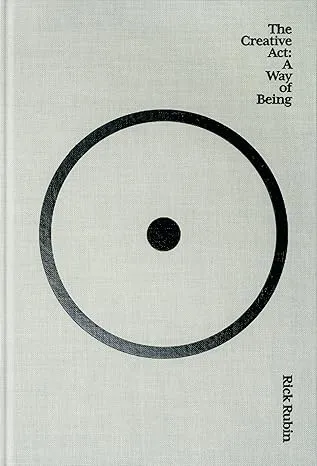
    Cover of the creative act
    Cover of the creative act

    Here are a few of the lessons that I took away from the book.

    1. Your entire life is a form of self-expression.

    This is a powerful concept. If we stop to pay attention, we see the world is in constant motion. Flowers bloom, rain falls, the sun rises and sets, people go to work. Every day, we express ourselves in countless ways, often unconsciously.

    Therefore, everything you do—and even what you don’t do—is ultimately a message.

    2. Certain ideas have their own time to arrive, and they find a way to be expressed through us.

    Before starting this website, I thought about it for a long time. But I didn’t know where or how to release the ideas I had inside me. The internet can be a cruel place for new ideas; people often resist what isn’t obvious.

    However, I wanted to create something different. Something with my own identity. I didn’t want to copy anything or anyone. Eighteen months later, the idea finally came.

    3. The ability to look deeply is the root of creativity—to see beyond the mundane and grasp what might otherwise be invisible.

    Details are so fundamental they shouldn’t even be called “details.” The ability to see beauty, purpose, and meaning in things, people, and events is what makes us human.

    It’s vital for all of us to have time to do nothing—to embrace absolute idleness. We need that space to connect the dots within our minds.

    These were just a few of the teachings I absorbed from the book. I don’t want to list all my notes (I took 95 of them!). Instead, let’s change the angle…

    My Perspective on The Creative Act
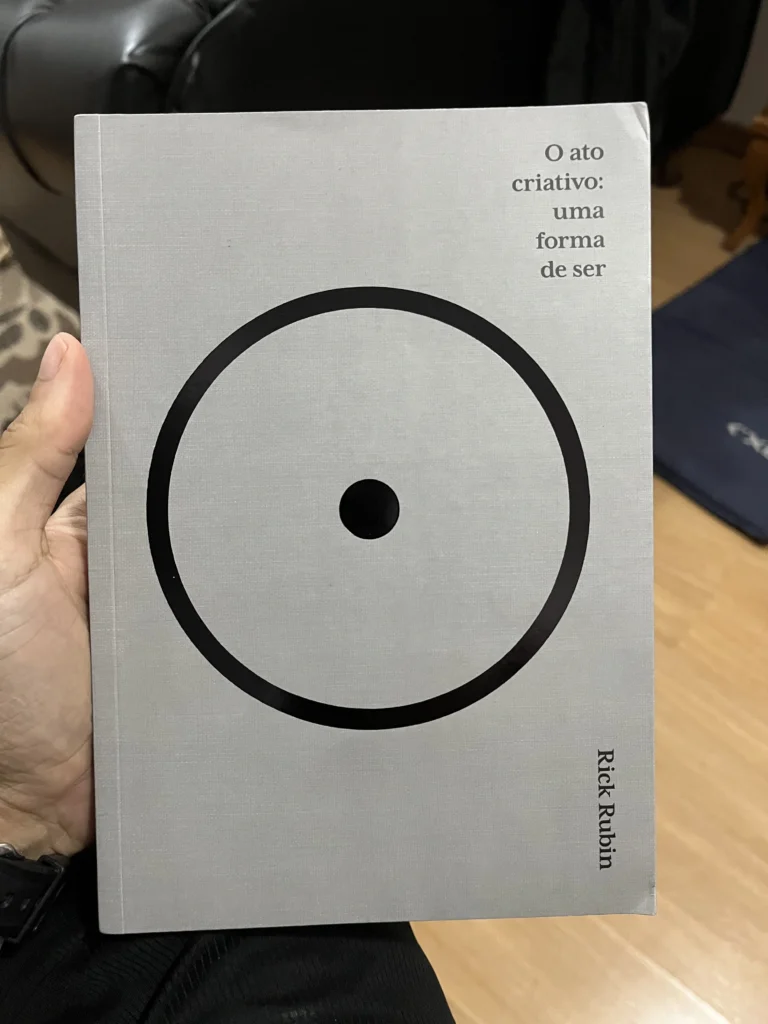
    The creative act
    The creative act

    Act 1 – Comprehension

    First, I want to tell you that this book focuses heavily on how to feel. Talking about this is difficult. Feeling is subjective, rare, and unique.

    In this first part of the book, Rick teaches us to first understand this feeling we have within us. This purity, this voice, this desire to express ourselves to the world.

    You know that restlessness? That urge to shout to everyone that you have something meaningful to show them? Yes, that’s it!

    I spent the last six years of my life accumulating knowledge and wisdom because I wanted to express myself somehow and add value to people’s lives. But it had to be on my own terms, with my own identity.

    It took me eighteen months to finally do it. Why? Because I wasn’t ready. I had to learn to listen to myself, to that inner voice. I had to understand the bigger picture and what this voice was truly trying to tell me. The will to help was there. The will to act was there. But I was missing the “how” and “where.”

    • Writing
    • Audio
    • Video
    • An App
    • Drawing

    There are so many ways to express your art online. But what should you create? What could be relevant in someone’s life? How can I make a positive impact?

    I know… we all have this doubt.

    Rick Rubin teaches us to “let it flow.” And that is the easy-but-hard part.

    Why?

    There are millions of possibilities, but we have to make a choice. And it’s precisely at that moment of choice that… we freeze.

    We freeze because we think too much. What will people think? Will it be good enough? How many views or likes will my art get?

    To be completely honest with you: don’t worry about any of that. Set a bold goal. Be consistent and surrender to the process.

    I’ve been creating things for the internet for eighteen months now. I can tell you I’ve written over 500 articles and made over 1,000 social media posts.

    And you know what I learned? After a while, you have to stop caring so much about the numbers. Focus on your art.

    Create your art, polish it, improve it, refine it even more, and then show it to the world.

    I have been insulted, hated, and ridiculed for many posts I’ve made. I always treated everyone with politeness and never reacted. A simple, “You’re right,” solves everything.

    Just start, get better, and keep going.

    Act 2 – Action

    They will criticize you if you try. They will criticize you if you don’t. Since you’ll be criticized no matter what, you might as well try.

    What difference will it make? At least you’ve taken a step and added a brick to the wall. You’ll add another tomorrow, and the day after. Soon, your castle will stand tall, and your critics will either vanish or try to copy you.

    In this second part of the book, which I’ll call “Action,” Rick Rubin emphasizes that there is no magic formula or straight path.

    You will only know what to do (or think you know) after you begin. And that’s the beauty of life. So many people want ready-made formulas and miraculous strategies for their businesses.

    That’s why a gigantic digital market has been created, filled with expensive products and services that, in reality, don’t solve your problem.

    I can tell you this for sure: I’ve bought books, courses, and services too. But nothing in life has helped me more than good old intuition.

    Try standing in the shower and letting the water fall on your head with your eyes closed. Try sitting by the ocean with your eyes closed. I dare you to lie in the grass with your eyes closed, just feeling the wind in your hair and on your face.

    And do you know why I suggested “with your eyes closed” in every experience?

    Because some things in life need to be felt. For these beautiful moments, closing your eyes allows for a deeper connection with your soul.

    You don’t need AI to know if your company is doing well, you don’t need a smartwatch to know if you slept well, and you definitely don’t need the most expensive phone or computer to write, code, or create your best art.

    Definitely not. I’m writing this very text lying in bed on my phone, with my wife and my poodle beside me. Obviously, I’ll review it on the computer, but tools shouldn’t stop you. And they shouldn’t stop your art.

    Act 3 – The Work

    To conclude this piece, let’s talk about legacy. In various parts of the book, Rubin teaches us that we need to find ourselves, create, and then find new ways to create more and better work, to finally arrive here.

    To stand the test of time, a work of art aims to mark our passage on this Earth. It is the message in the form of music, books, texts, videos, paintings, photos, or apps.

    Whatever the form, your job as an artist is to create a channel—the space and the time—to let your art flow through you and reach completion.

    So, I’ll be brief. Because at this very moment, as I write, I am creating a new piece of my own work. I hope you’ve grasped the message and will now close this text to start building yours…

    Until next time!

    Victoria Concordia Crescit

  • What I Learned With The Shawshank Redemption

    What I Learned With The Shawshank Redemption

    Hope, Time, and Friendship: Life Lessons from The Shawshank Redemption

    A Story of Friendship (and Hope)

    I just watched the movie: The Shawshank Redemption. And to be honest, I did it because I was curious about what the best movies are and why they’re considered the greatest.

    A quick search on Google (yes, I’m still the guy who searches and uses Wikipedia instead of jumping on the AI hype train) and I stumbled upon IMDb’s list of the top 100 movies in history.

    I took a deep breath, mustered my courage, and decided I’m going to work my way through this list to form my own conclusions and opinions. It’s one thing to read about something. It’s another thing entirely to feel and see the work of art for yourself.

    CONTAINS SPOILERS! (But you already expected that, didn’t you?)

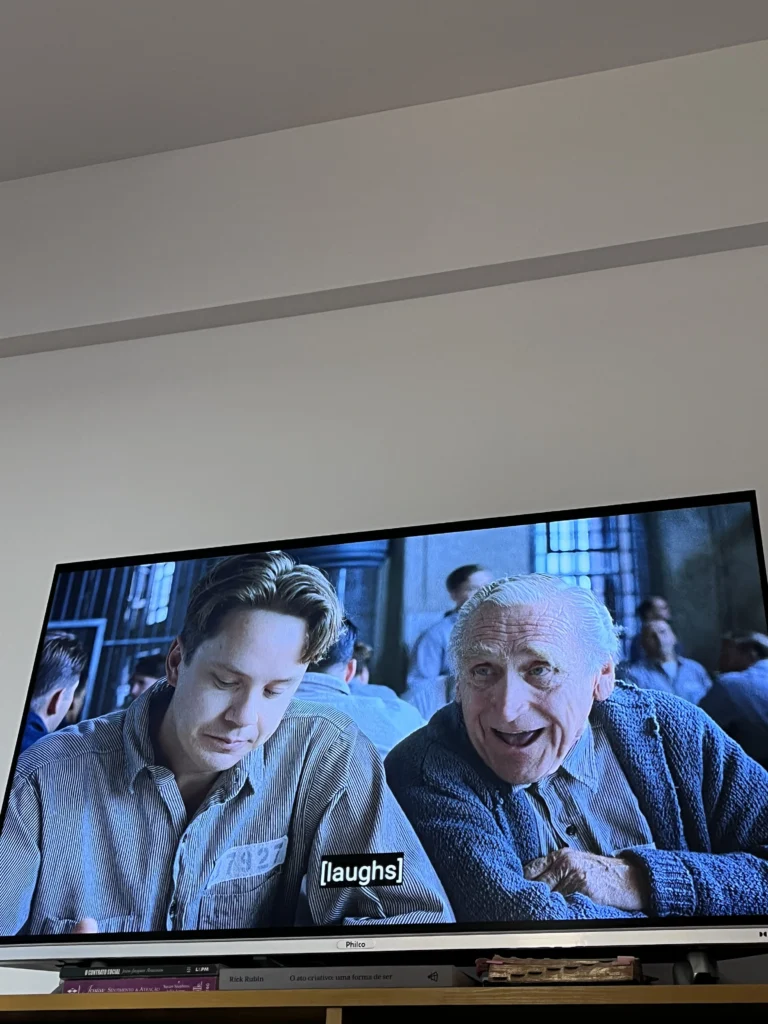
    the characteres of movie

    Injustice (The Accusation)

    The film begins with an injustice based on a lie, or a half-truth, much like what happened in the O.J. Simpson case. The main character is accused of committing the brutal crime of murdering his wife.

    As it happens, all the proof and evidence lead everyone to believe he is guilty. Once convicted, he is sent to prison.

    This makes me think of the iconic statue of Lady Justice. She is blind, for reasons we all know, but maybe she shouldn’t be. However, complete impartiality is (unfortunately) an unlikely thing.

    How a Friendship is Born

    The main character is quickly introduced to his new routine and life, and he learns that prison life is not easy.

    Right from the start, he faces “physical challenges” and soon understands that he needs the most important thing for a human being: to connect.

    We are who we are, and we’ve gotten where we are, because we move in packs, in groups. We only evolved because we honed this skill and became the dominant species.

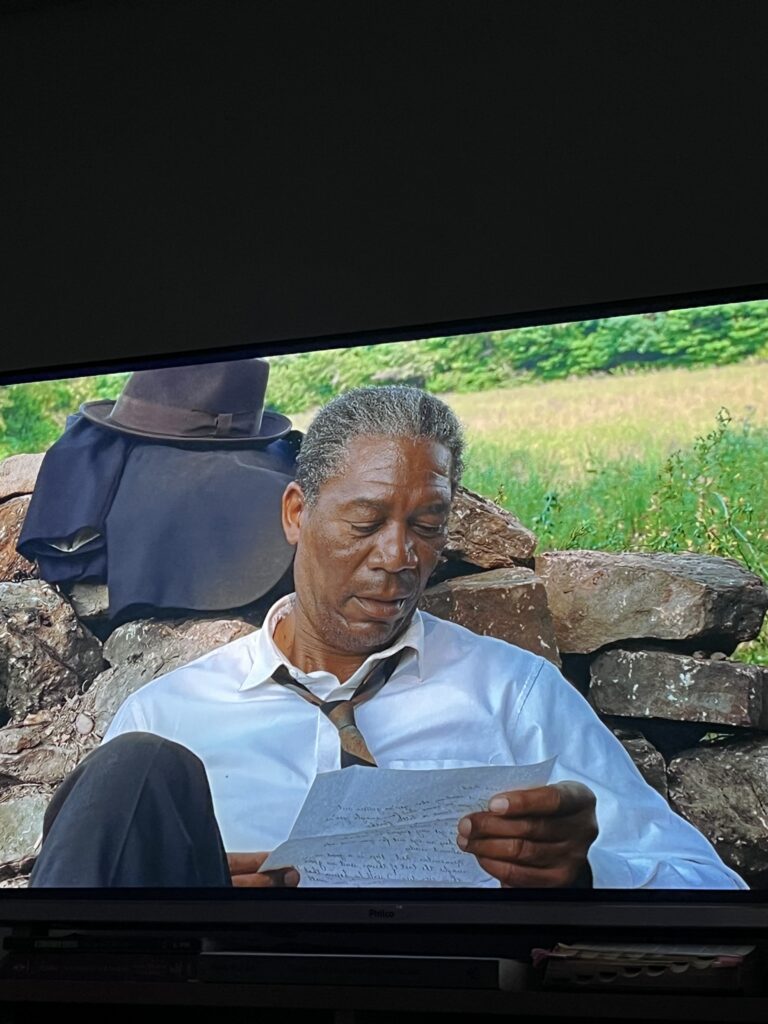
    To save himself and get some breathing room, the protagonist quickly befriends Red (played by Morgan Freeman). Obviously, no one in prison just walks up and says, “Hi, want to be my friend? You in?”

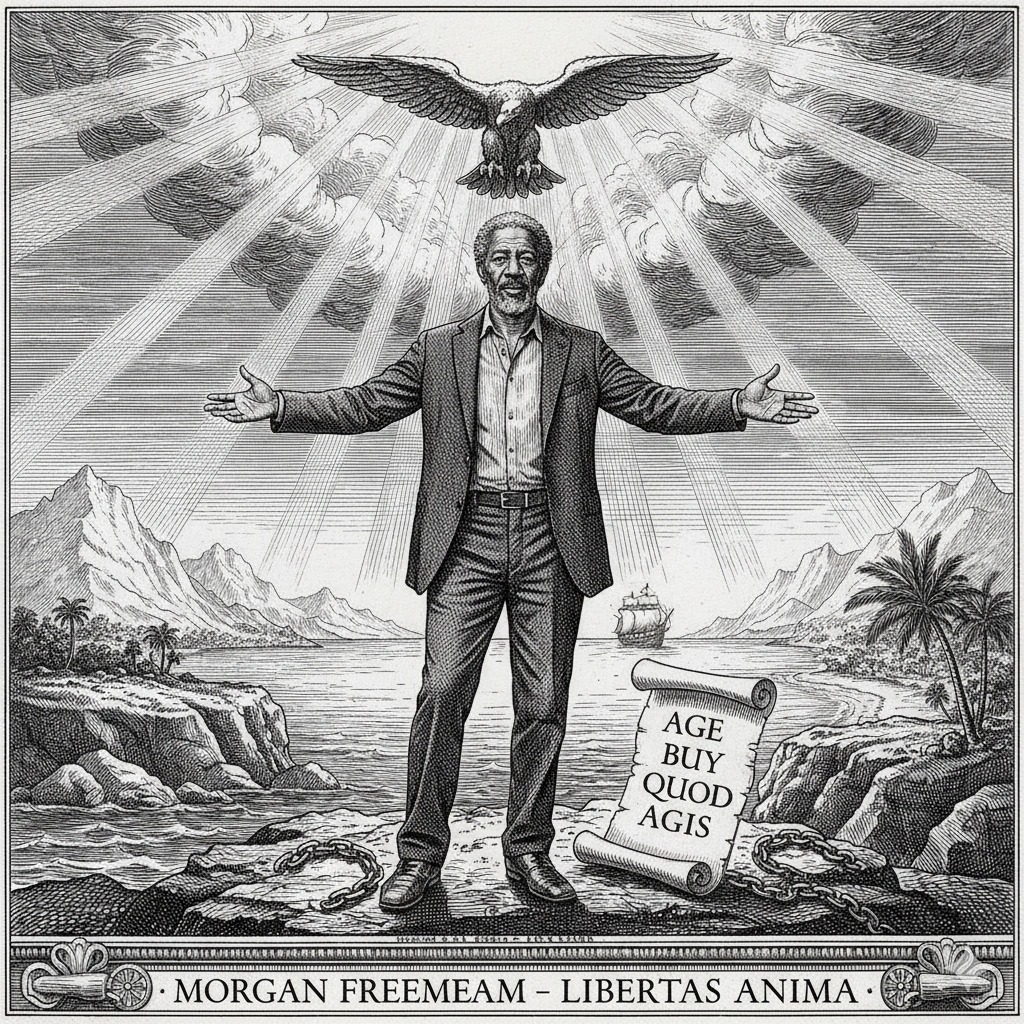
    Morgan Freeman (The God)
    Morgan Freeman (The God)

    But, to be honest with you, every friendship is forged through exchanges: time, energy, resources, knowledge, access, and so on. Every friendship begins, is maintained, and endures to the very end because of the quality and quantity of the exchanges involved. And just like that, a great one was born…

    Purpose

    Moving on, what struck me the most was the idea that:

    “Every man needs meaning in his life.”

    This is as true in prison as it is in life. This is one of the most powerful ingredients in anyone’s life: purpose. Finding your purpose!

    We could spend hours talking (or writing) about it. However, he takes it upon himself to organize, improve, and expand the prison library.

    This is a beautiful goal. What can you give to men who are broken, without freedom, and without hope? Knowledge!

    I have no idea how rehabilitation works, but surely, it should start by changing people from the inside out. And what’s better for that than music, books, and education?

    Our protagonist, with his blue eyes and the air of a banker, takes this on as his life’s mission. And he does it.

    Losing and Gaining Faith

    During one of the incidents in prison, our hero’s faith is tested. And man… that was vital for him and for the movie’s narrative.

    A piece of news pushes him to the brink of madness. And once there, he gets lost. He breaks his (almost flawless) line of reasoning. And, in a purely human act, he loses his way. He almost ruins his life’s work, diving into a sea of fierce emotions that consume him.

    But you can take everything from a man except his faith, unless he himself believes it’s lost. Viktor Frankl wrote something similar in his brilliant book, Man’s Search for Meaning.

    The Hero Completes His Journey

    However, every hero must complete his journey. And our inmate, number 37927, is just one step away from completing his.

    In one of the most intelligent plot twists I’ve ever seen in a script, the writer brilliantly leads us to think one way. And just when we think we’ve got it figured out, he makes an abrupt change of direction. Uniquely and brilliantly done.

    Hope for Better Days

    Of course, there is so much more meaning packed into this brilliant script, with editing and cinematography that would make even the biggest fans of special effects envious.

    Leaving aside the number of adjectives I’ve had to use, I want to emphasize something that really caught my attention at the end of the film. There is a clear message about how much meaning a purpose can give a man, and how the patience and persistence to achieve it can lead us to (or not) unimaginable feats.

    What I Learned

    Phone on airplane mode, popcorn, and a bottle of water (yes, I prefer water to soda, with a sprinkle of seasoning on my popcorn). Grab some chocolate too and press play! The movie has the highest rating on IMDb for a reason.

    Without a doubt, friendship, companionship, the importance of education (represented by math and reading), and above all, freedom of thought were the lessons that stuck with me most after the film.

    What are you doing now? Stop everything and press play. I watched it on HBO, but you can choose wherever you like. Just let me know what you think afterward. See you soon!

  • Top 10 philosophy things that I learn with Einchiridion

    Top 10 philosophy things that I learn with Einchiridion

    Top 10 Lessons I Learned from the Enchiridion

    Introduction

    Hello, everyone! Today, I want to share some valuable points from the book Enchiridion by Epictetus. This book was pointed out to me during a philosophy class.

    Since then, I’ve read it three times. And every time I read it, I find something new, powerful, and meaningful about life, how we do things, how we approach things, and how we live.

    Please, sit down, grab a cup of tea (or coffee), and enjoy the read.

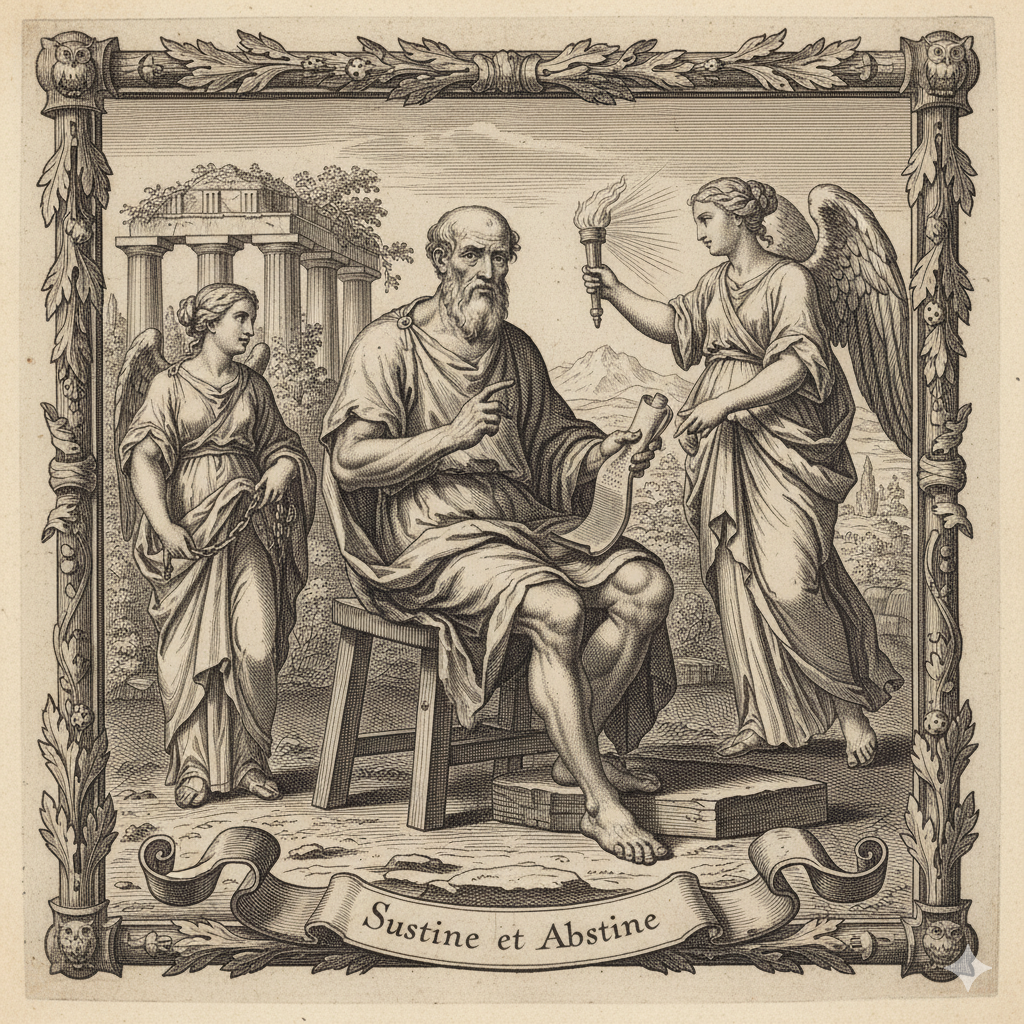
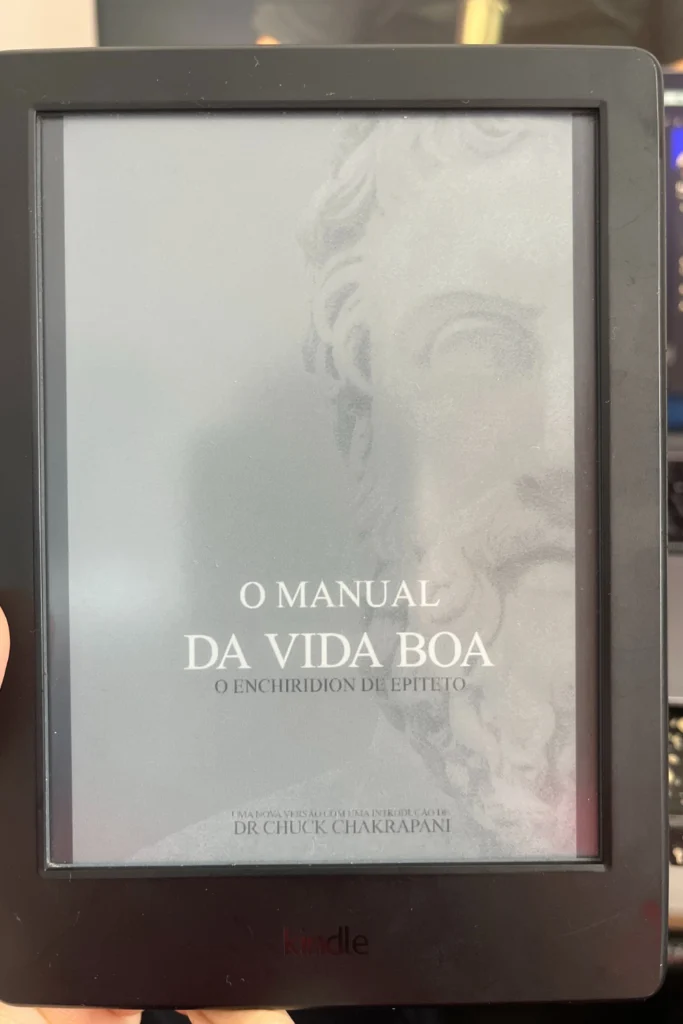
    einchiridion

    The Problem Philosophy Solves

    I believe that philosophy solves a unique problem: it heals and restores our soul.

    What do I mean? Have I gone crazy? Yes (and maybe no). Have you ever noticed that we wake up and immediately reach for our phones? We can barely go an hour without them, let alone without accessing the internet.

    And in my opinion, this is the exact problem that philosophy solves. It helps us rediscover who we are.

    Think about it with me: the questions of “Who am I?”, “What is my purpose?”, and “Where am I going?” have not been answered by the internet. On the contrary, the hole has only gotten wider and deeper.

    However, the only way I see to fill this void (even partially) is:

    “Know thyself, and master thyself.”

    The Matrix Reference

    Think about it, remember the movie The Matrix? Released in 1999, with that protagonist in the black coat and sunglasses, named Neo? It forever changed the way we think.

    (Spoilers ahead)

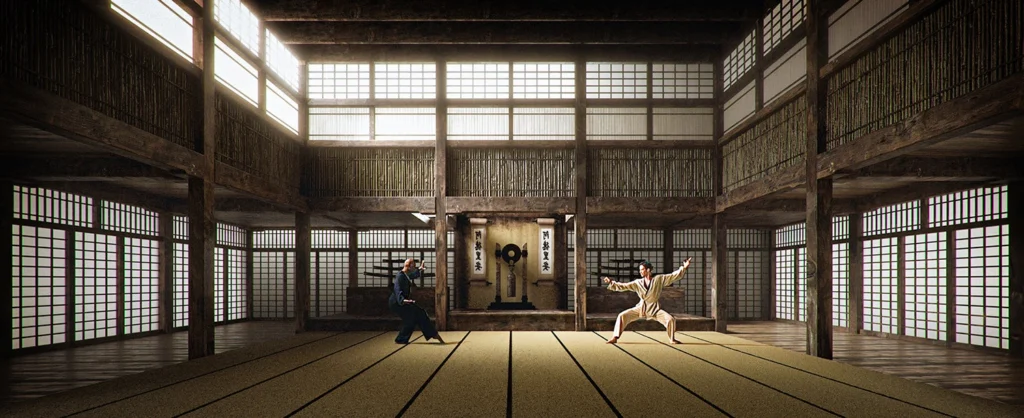
    In the iconic Kung Fu fight scene against Morpheus, notice that Neo is “reborn” from the Matrix. He’s barely used to the new plug in the back of his neck and shows discomfort when he touches it.

    The kung fu scene of Matrix
    The kung fu scene of Matrix

    Note that, by lying back in a chair with a cable connected to that plug, in seconds, our dear hero and former hacker is ready. He begins his fight against Morpheus, but soon, hesitating with his new ability, he gets lost and is struck. Why did you hesitate, Neo? The knowledge is already there. What’s preventing it from flowing?

    This is where philosophy comes in. We are all born with skills, “gifts,” or talents. Call them what you will. In the end, we need to connect our soul to our inner wisdom.

    Therefore, after the longest and most significant introduction I’ve written in the last nine months, I will show you in the following lines how important philosophy is for everyone and why, at least in my country (Brazil), it was removed from the school curriculum.

    The Top 10 Lessons

    Epictetus was a slave and was lame. However, he did not allow these limitations to paralyze him. He wrote the manual for life, the Enchiridion.

    There are many versions of the book. Choose the one that best suits you.

    Lesson 1 – Focus Only on What Is Within Your Control First, take this gut punch.

    Why do you want to earn $100,000 a month? Why do you want the Ferrari? Why do you want to be the coolest person on the block? Suspend your desires for now, my dear Jedi. Focus on what you can control. Don’t get it? You can and should achieve everything you want.

    The problem is putting all your time, focus, and energy only on the end result. What’s wrong with that? Frustration. If you focus on small daily steps, you gain rhythm, consistency, and stamina. Then, as the months go by, you earn the right to enter the marathon.

    Lesson 2 – Be Prepared!

    Wisely written by Epictetus, who may or may not have influenced Marcus Aurelius, this maxim is related to what some call luck. How many stories have you heard of people who worked and dedicated themselves for years to a business, and when they got one chance—a single opportunity—they changed their lives for the better?

    That’s right, there are few such stories; you can count them on your fingers. I myself have worked with two outliers—hard-working, focused people who, with the one chance they were given, changed the course of their lives and their families‘ lives for the much, much better. However, none of this would have happened if they hadn’t been prepared.

    Lesson 3 – What Is Meant to Be, Will BeSurely

    You’ve had a moment in your life when you worked and poured every drop of sweat into a goal. However, as time went on and you didn’t reach the target, disappointment started knocking at your door and living rent-free in your head.

    Then, tired and slightly discouraged, you decided to rest, either by choice or out of exhaustion. Suddenly, your goal was achieved! Like a magic trick. Sometimes, we need to “let go” and let life happen.

    Lesson 4 – You Already Have the Resources for Any Challenge

    Before starting this website, I tried to create several different things for the internet (Instagram, Facebook, Pinterest, YouTube, Blogger), and the whole process was tedious. Although I tried hard, I felt something was always missing. So, I did what any sensible person would do: I sought help. Only to realize that people knew and did exactly what the vast majority did.

    I completely ignored what I felt and thought about my ideas and how I wanted to create them. And so, I realized that deep down, I needed help, but not that kind of help. I was trying, failing, and most importantly, learning! After some time, I understood that I already had the resources I needed with me. And I can guarantee that we don’t know or even grasp the quantity and quality of this resource that ALL of us carry inside. Use it!

    Lesson 5 – Everything Has Its Price

    How many stories do you hear about someone who sucked up to the boss to get a promotion? Meanwhile, you—the humble, dedicated worker who devours the company manuals and moves mountains—are left in the dust in favor of your dear colleague.

    Yes, everything has its price. You don’t know what your colleague had to do. Don’t complain if you weren’t willing to pay the price he paid. However, you always have the right to keep your integrity intact.

    Lesson 6 – Look Before You Leap

    I certainly spent at least two days thinking about this four-word phrase, so full of context. Imagine if I decided right now that I want to become a professional boxer. At 33, there’s still time in the sport. But what would it cost me? Diet, rigid routines, sleep, seclusion from social life, and surrendering my body to a trainer.

    And only if I manage to turn pro in the next five years, my career might be short. Another 5-7 years of professional boxing? Maybe. And what if I don’t make it? How much time, energy, and resources will be spent in pursuit of the goal? Look before you leap. Pros and cons should always be weighed, in everything in life.

    Lesson 7 – Nature Moves Away from What Is Harmful and Towards What Is Useful

    Surely, you’ve had or have that friend who, time and again, gets you into trouble. Let me explain: you have your routine, your goals, and your life. Sometimes, on a Thursday, you just want to stay home and watch TV.

    Then your friend sends a message saying, “I’ll just swing by for a minute…” Twelve beers and a hangover pill later, you’re struggling to stay awake and focused at work the next day. As the years go by, nature itself takes care of moving you away from that friend.

    Lesson 8 – You Don’t Need to Know the Future

    As human beings, we flirt with and love the future. There’s a mystical aura about what will happen. Notice how we’ve been fascinated with stars and numbers for thousands of years.

    Although humans haven’t been given the gift of predicting the future, we desire it like the philosopher’s stone. But if we already know which events we cannot control, then we know that worrying excessively about the future is not for us.

    Lesson 9 – Be True to Yourself

    In my opinion, journals are the new iPhone! “Oh, come on!” you say. Let me tell you who kept journals: Marcus Aurelius, war generals, Churchill. What’s the connection between a journal and being true? I know many people don’t go to therapy, as it can be difficult emotionally and financially.

    The cheapest and most accessible way I know to do therapy is with pen and paper (or a keyboard). Paper, Docs, WhatsApp, Telegram, Notion… it doesn’t matter where. We men were taught that writing down our thoughts and feelings was “for girls,” only to later see the same people who said that sink into alcohol, drugs, and who knows what else. If you are honest with yourself about what you think, feel, and do, no one can shake you—not with words, not with actions. You have mastered yourself.

    Lesson 10 – Treat Your Critics with Compassion

    Everyone—I mean, absolutely everyone—wants to criticize you whenever you change or try something new. Never, ever, under any circumstances, ask for someone’s opinion. Instead, trust your intuition.

    Talk to God or your deity. But do not retreat. If you retreat, you will fail twice: for not starting the movement, and for empowering the hater.

    Therefore, if you can stay true to your purpose, principles, and beliefs, you will earn the right to dine with the Gods. But if you help your critics even after they’ve attacked you for changing, you will be served as one of them.

    Fortune Cookie

    You are not what you have. Stop living for appearances. Live for what you believe in. Your integrity is worth more than all the wealth the world has ever seen.

    Bonus: Your actions are the only thing you can be proud of.

    When no one is looking, you pick up trash from the street.

    When no one is looking, you help someone at the grocery store pay for their items.

    When no one is looking, you study for hours on end to finish your degree.

    When no one is looking, you lie down, tired, in your bed—the one you worked hard to buy—and rest your head on your pillow, which took months to acquire because you wanted the best that YOUR money could buy.

    You remember what you did during your day, and a subtle smile plays on your lips. Happiness fills your heart, and you feel complete because you did the right thing.

    Conclusion

    I’ll stop here before I become a nuisance. That’s all for this post. See you soon!

  • Why Read Books Slow is Perfect

    Why Read Books Slow is Perfect

    Why Read Books Slow is Perfect: An simple guide to read better

    Read quickly

    A few years ago, a friend of mine bragged to me that he had read 24 books in a year (all self-help books). It was all the rage at the time to read and post the book.

    I remember the iconic photo of him lying on a stack of books. Is it an achievement? Of course! But what’s the point of publicizing it as a merit?

    When I asked him which ones he liked most and which passages from the books had the most impact on him, silence reigned in the air...

    And no wonder. Try reading Socrates, Plato, Marcus Aurelius, Jane Austin and Orwell all at once, quickly and without thinking about it…

    You close the book and it feels like you’ve been punched in the stomach

    Therefore, I insist on always absorbing as much as possible from each book. I don’t care how long it takes me to read it.

    I care about the knowledge I will abstract from it…

    Read slowly

    Here, I believe, we separate those who enjoy this wonderful hobby of reading from those who are photography enthusiasts.

    Photos of the Books I’m Currently Reading

    Over the years, I’ve honed my reading style. I’ve tried several reading techniques. However, paced, in-depth reading is the one that has won my heart.

    There are certain books that need to be read slowly. Why? There’s a lot of knowledge condensed there.

    Have you ever noticed that in self-help books, the author writes a lot, and it seems like they mean the same thing? Whereas in philosophy, Plato writes a line that makes you think all week?

    Why does this phenomenon occur? I’m not sure if there’s any scientific evidence to back it up. But, as sentient beings, we could write a lot more to explain it in words.

    I’m not against self-help books. And I understand that they need to be written that way to sell.

    But the question is: How to reach the reader by getting straight to the point?

    I get this feeling every time I read a classic book. (Obviously, it depends on the writer’s style.)

    So there are books that need to provide a general context before going deeper (Crime and Punishment, for example) and there are books that get straight to the point (Eichiridion, another example).

    The important thing, in my view, is to be able to transmit knowledge, the idea and/or the concept.

    Do you read or retain?

    Yet here we are, wondering which method is best. And there’s really no right answer.

    Right and wrong are subjective things, and even ambiguous; in the minds of two different people.

    However, narrowing the issue down, I want to emphasize that reading for the sake of reading; and reading and retaining. These are very different things.

    You’ve probably read something to distract yourself: Magazines, comics, paperbacks, etc.

    He has also done technical readings and readings out of pure curiosity.

    My recommendation? Create your memory palace. While reading, imagine places, things, colors, sensations, feelings, and music that connect the information you read with your memory.

    This process of memorization (I say memorization, because memorizing information just for the sake of it. It doesn’t make you learn.) elevates you a lot.

    Soon, this will evolve. You’ll start learning languages ​​faster, remembering shopping lists, remembering your passwords (laughs), and even remembering holidays…

    How to improve your reading

    Next, I want to leave the reader with a simple technique that has done me a lot of good.

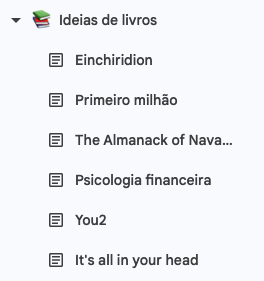
    Since April, I’ve been keeping notes of what I read. This can be done in Docs, Word, notes, pen and paper, a vision board, etc. Whatever works best and is most convenient for you.

    my books read

    This simple exercise gets your mind to connect the dots. Consequently, it creates what I’ve called a “memory palace.” Indeed, every book you read is recorded in your memory.

    It may not sound that important now, but being able to remember various passages from books is vital for you.

    This practice will help you in countless areas of life, at work, in your studies, and in so many other areas. I recommend you start.

    Time to practice

    I know, I know. The first few won’t be good. They won’t amount to anything. But as you practice, you’ll start accumulating “compound interest of wisdom.”

    Next, I challenge you to choose a classic book (Don Quixote, The Alchemist, 1984, etc.). The exercise I recommend doing is reading a paragraph, page, or chapter a day (that’s all!).

    Why? So your brain has time and space to connect information. When you give your mind this time, you create a reset; then you can better capture the passages and meanings of the books.

    Philosophy books are great to explore. Plato, Aristotle, and Confucius, for example. Each line will leave you thinking for days.

    Each completed reading reconnects you with your soul. It enriches you from within.

    (They also make you reconnect with your soul and being!)

    Go out now, pick a book, set a daily goal, and give it a try.

    Pro tip

    To further reinforce my reading, I read on a blog that it was worth making index cards about the books I read. In addition, watch a video or review of the book.

    Nothing too complex. Just listening to the other person’s perspective on the work you just read. This can help you gain a different perspective on the reading.

    Join discussion groups on Reddit, Facebook or elsewhere. Tell your friends, family, and coworkers about the passages that resonated with you and why.

    (This will help you even more with the memory palace.)

    Keep things simple. Record what makes you feel comfortable. Use bullet points, phrases, images, photos, or whatever you feel like doing.

    I guarantee this will help you memorize and retain even more information about what you’re reading. Eventually, in a conversation, when people talk about the book, you’ll remember it as if you read it yesterday.

    To conclude our conversation

    • Read what you like to read
    • Read slowly, enjoy the text
    • Establish a reading routine
    • If possible, make notes of what you read.
    • Watch or listen to a review

    Always remember: Quantity is not synonymous with quality. I’d rather read two books a year and absorb 80% of the content than read 22 books and not remember all the names.