Top 10 Ways How Western Literature Inspired Your Favorite Anime
Anime has captivated audiences worldwide with its unique storytelling, complex characters, and breathtaking visuals. But beneath the surface of many beloved series lies a rich tapestry of Western literary influences.
From classic novels to philosophical treatises, Western literature has profoundly shaped the narratives, themes, and character archetypes that define modern anime. Let’s explore the top 10 ways Western literature has inspired your favorite anime series.
1. Dante’s Divine Comedy and the Journey Through Hell
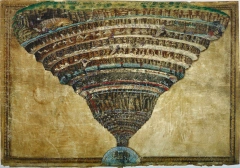
Dante Alighieri’s epic poem The Divine Comedy has left an indelible mark on anime, particularly in series that explore themes of redemption, punishment, and the afterlife. The most notable example is “Dante’s Inferno: An Animated Epic”, but the influence extends far beyond direct adaptations.
Fullmetal Alchemist draws heavily from Dante’s vision of hell and purgatory. The concept of equivalent exchange mirrors the moral balance Dante describes, while the Gate of Truth resembles the entrance to the underworld. The homunculi, named after the seven deadly sins, echo Dante’s classification of sinners in the circles of hell.
Similarly, “Hell Girl” (Jigoku Shoujo) presents a modern interpretation of Dante’s infernal vision, where characters face consequences for their actions in a supernatural realm that punishes the wicked.
2. Shakespeare’s Tragedies and Complex Character Dynamics
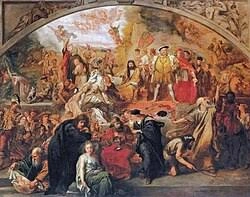
William Shakespeare’s exploration of human nature, ambition, and tragedy has profoundly influenced anime character development and plot structures. “Code Geass” is essentially a futuristic retelling of Hamlet and Macbeth, with Lelouch embodying the tragic hero consumed by revenge and ambition.
“Monster” by Naoki Urasawa channels Shakespearean tragedy through its exploration of good and evil, featuring morally complex characters reminiscent of Othello and King Lear. The psychological depth and moral ambiguity that Shakespeare pioneered are evident in the series’ protagonist, Dr. Tenma, who faces impossible ethical dilemmas.
“Romeo x Juliet” offers a direct reimagining of Shakespeare’s most famous tragedy, transporting the star-crossed lovers to a floating city and adding fantasy elements while preserving the core themes of forbidden love and family conflict.
3. Mary Shelley’s Frankenstein and the Ethics of Creation
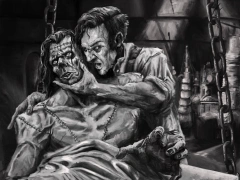
Mary Shelley’s Frankenstein introduced the world to questions about the ethics of creation, the responsibility of creators, and what it means to be human. These themes resonate powerfully in anime, particularly in the mecha and science fiction genres.
“Neon Genesis Evangelion” explores the Frankenstein complex through the relationship between Gendo Ikari and the Evangelion units, artificial beings created to serve humanity but ultimately questioning their purpose and existence. The series delves into the psychological trauma of both creators and creations.
“Fullmetal Alchemist” again draws from this well, with the creation of homunculi and chimeras raising ethical questions about playing God. The failed human transmutation that creates the homunculi mirrors Victor Frankenstein’s hubris and the tragic consequences of defying natural law.
“Ghost in the Shell” examines what happens when the line between human and machine blurs, questioning consciousness, identity, and the soul, all central concerns in Shelley’s novel.
4. George Orwell’s 1984 and Dystopian Surveillance States
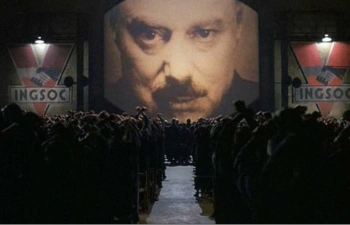
George Orwell’s 1984 has become the blueprint for dystopian fiction, and anime has embraced its themes of totalitarian control, surveillance, and the manipulation of truth.
“Psycho-Pass” presents a society where the Sibyl System monitors citizens’ mental states and predicts criminal behavior before crimes occur. This echoes Orwell’s Thought Police and the concept of thoughtcrime, creating a world where freedom is sacrificed for the illusion of safety.
“Ergo Proxy” explores themes of manufactured reality and controlled populations, similar to Orwell’s Ministry of Truth. The series questions the nature of truth in a world where information is controlled and manipulated by those in power.
“Shinsekai Yori” (From the New World) depicts a seemingly utopian society built on dark secrets and historical revisionism, much like Orwell’s Oceania, where the past is constantly rewritten to serve the present regime.
5. Herman Melville’s Moby-Dick and the Obsessive Quest
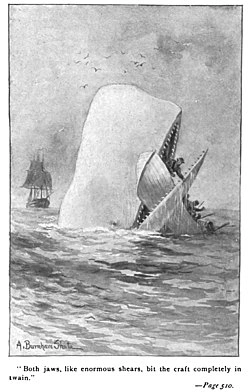
Herman Melville’s Moby-Dick is the quintessential tale of obsession, revenge, and humanity’s struggle against nature. This narrative structure has inspired numerous anime series centered on relentless pursuits.
“Gankutsuou: The Count of Monte Cristo” adapts Alexandre Dumas’s novel but incorporates the obsessive quest motif that Melville perfected. The Count’s single-minded pursuit of revenge mirrors Captain Ahab’s hunt for the white whale.
“One Piece” features Luffy’s quest for the legendary treasure, One Piece, which parallels Ahab’s pursuit of Moby-Dick. Both involve a charismatic leader gathering a diverse crew for an seemingly impossible journey across treacherous seas.
“Hunter x Hunter” showcases multiple characters driven by obsessive goals, Gon’s search for his father, Kurapika’s quest for revenge against the Phantom Troupe, all echoing the self-destructive nature of Ahab’s obsession.
6. Lewis Carroll’s Alice in Wonderland and Surreal Fantasy Worlds
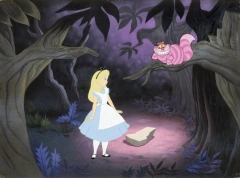
Lewis Carroll’s Alice’s Adventures in Wonderland pioneered the portal fantasy genre and introduced readers to surreal, logic-defying worlds. This influence is evident in countless anime series that transport characters to strange new realities.
“Pandora Hearts” directly references Carroll’s work, with characters named after Alice in Wonderland figures and a plot involving a mysterious dimension called the Abyss. The series embraces Carroll’s blend of whimsy and darkness.
“No Game No Life” transports siblings to a world where everything is decided by games, echoing Alice’s journey through a world with its own bizarre rules and logic.
“The Promised Neverland” uses the Alice motif more subtly, with children discovering that their seemingly perfect world is actually a nightmare, much like Alice’s realization that Wonderland operates on dream logic rather than reality.
7. Fyodor Dostoevsky’s Crime and Punishment and Moral Philosophy
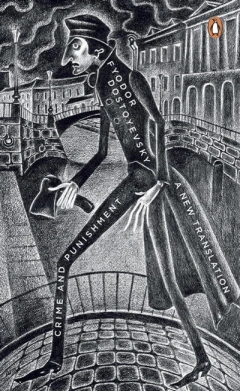
Dostoevsky’s exploration of guilt, redemption, and the psychological consequences of crime has deeply influenced anime that grapple with moral complexity.
“Death Note” is perhaps the most direct descendant of Crime and Punishment. Light Yagami, like Raskolnikov, believes himself above conventional morality and justified in taking lives for a greater good. Both characters experience psychological deterioration as they grapple with the consequences of their actions.
“Monster” channels Dostoevsky’s philosophical depth, examining whether some people are inherently evil or if circumstances create monsters. Dr. Tenma’s moral crisis mirrors the existential questions Dostoevsky posed about justice and redemption.
“Bungou Stray Dogs” pays homage to Dostoevsky by featuring him as a character and incorporating themes from his works throughout the series.
8. H.G. Wells and Jules Verne’s Science Fiction Foundations
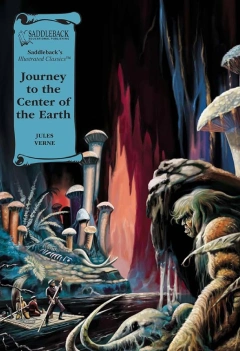
The pioneering science fiction of H.G. Wells and Jules Verne laid the groundwork for countless anime series that explore technology, time travel, and adventure.
“Steins;Gate” draws heavily from Wells’s The Time Machine, exploring the consequences of time travel and the butterfly effect. The series examines how small changes can have catastrophic consequences, a theme Wells pioneered.
“Nadia: The Secret of Blue Water” is directly inspired by Verne’s Twenty Thousand Leagues Under the Sea, featuring the submarine Nautilus and adventures beneath the ocean.
“Castle in the Sky” by Studio Ghibli echoes Verne’s sense of adventure and wonder, with flying machines and lost civilizations reminiscent of Journey to the Center of the Earth.
9. Homer’s The Odyssey and Epic Journeys
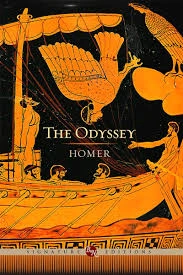
Homer’s The Odyssey established the template for the hero’s journey, a long, perilous quest filled with trials, growth, and the eventual return home. This structure is fundamental to many anime series.
“Space Battleship Yamato” is essentially The Odyssey in space, with a crew undertaking a dangerous journey to save humanity, facing numerous challenges along the way.
“Made in Abyss” follows young adventurers descending into a mysterious abyss, facing increasingly dangerous creatures and environments. Like Odysseus, they must use wit and courage to overcome seemingly insurmountable obstacles.
“Mushishi” features Ginko traveling from place to place, encountering strange phenomena and helping people, much like Odysseus’s episodic adventures across the Mediterranean.
10. Gothic Literature and Atmospheric Horror
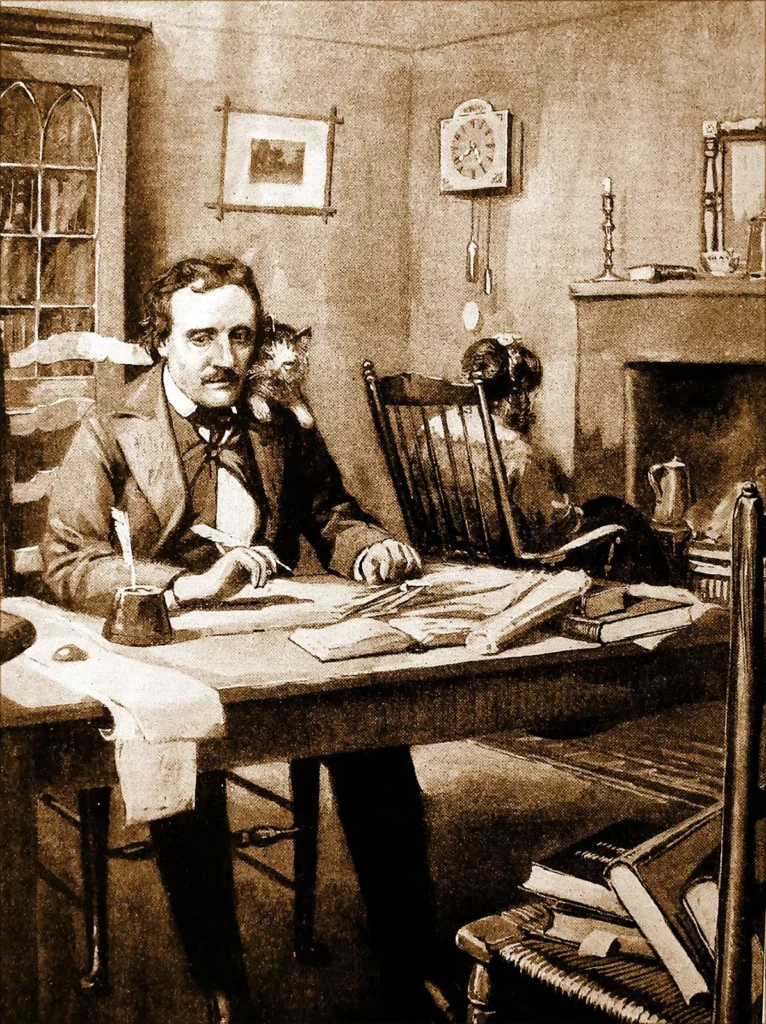
The Gothic tradition, from Mary Shelley to Edgar Allan Poe to Bram Stoker, has profoundly influenced anime’s approach to horror, atmosphere, and the supernatural.
“Hellsing” draws directly from Bram Stoker’s Dracula, reimagining the vampire hunter as an organization and Dracula himself as an anti-hero. The series embraces Gothic aesthetics with Victorian settings, dark castles, and themes of immortality and damnation.
“Black Butler” channels Gothic literature through its Victorian setting, supernatural elements, and exploration of contracts with demonic entities. The series captures the Gothic fascination with death, decay, and the macabre.
“Vampire Hunter D” combines Gothic horror with post-apocalyptic science fiction, featuring a dhampir (half-vampire) protagonist in a world where Gothic castles and advanced technology coexist.
“Another” employs Gothic horror techniques, isolated settings, mysterious curses, and atmospheric dread, reminiscent of Poe’s psychological horror stories.
A Literary Legacy
The relationship between Western literature and anime is not one of simple borrowing but of creative transformation. Anime creators have taken the themes, structures, and philosophical questions posed by Western literary masters and reimagined them through a distinctly Japanese cultural lens, creating something entirely new yet deeply connected to literary tradition.
From Dante’s moral universe to Orwell’s dystopian warnings, from Shakespeare’s tragic heroes to Carroll’s surreal wonderlands, Western literature has provided anime with a rich foundation upon which to build innovative narratives. These influences demonstrate that great storytelling transcends cultural boundaries, and that the fundamental questions about humanity, morality, justice, and existence remain relevant regardless of medium or origin.
The next time you watch your favorite anime, consider the literary giants whose works may have inspired it. You might discover new layers of meaning and appreciate how these series participate in a centuries-old conversation about what it means to be human. This cross-cultural dialogue between Western literature and Japanese animation continues to produce some of the most compelling storytelling in contemporary media, proving that great art builds upon the foundations laid by those who came before.
Whether you’re a literature enthusiast discovering anime or an anime fan exploring classic books, recognizing these connections enriches both experiences, revealing the universal power of storytelling to illuminate the human condition.

I write things about books, animes and movies. I am passionate about this topics and want to share with you my impressions.