Lessons and Ideologies from Civil War: An Iron Man and Captain America Analysis
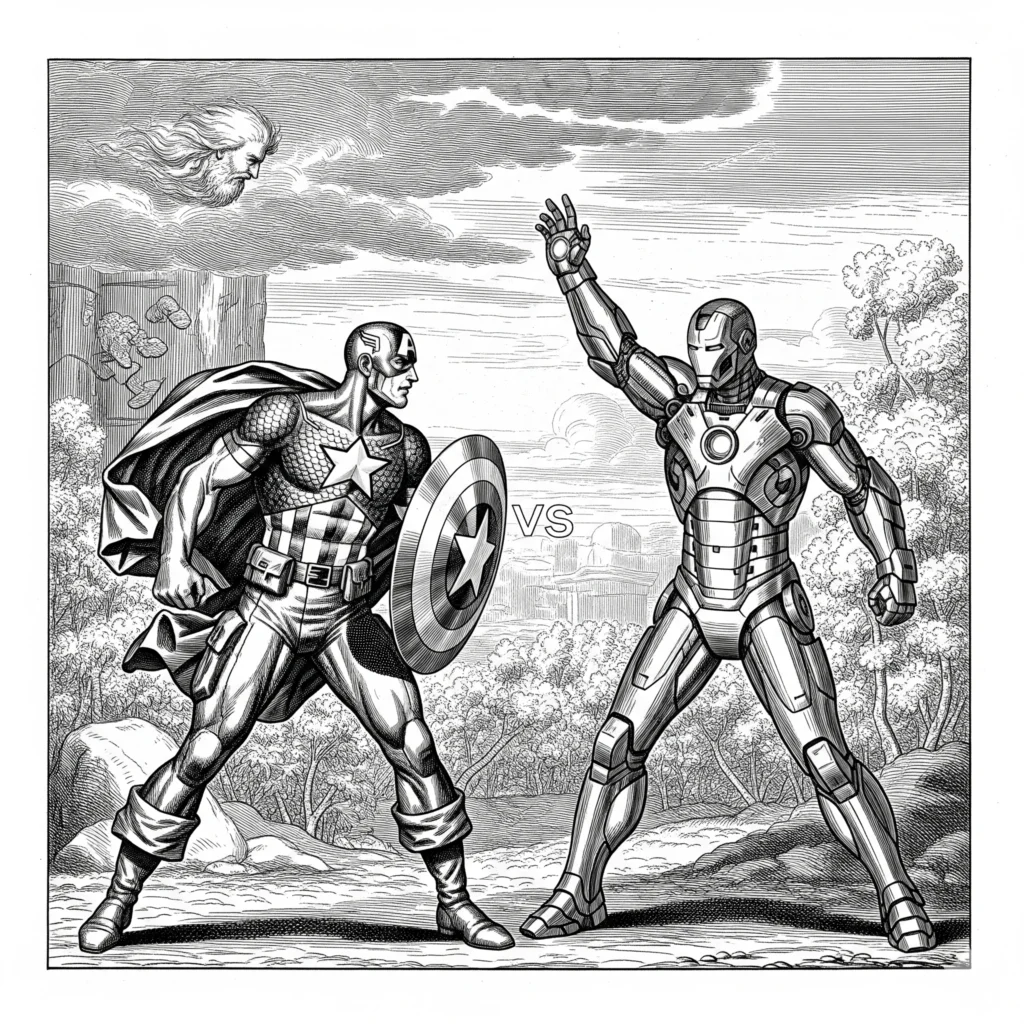
The Avengers Civil War storyline presents one of the most compelling ideological confrontations in superhero fiction. When Captain America faces Iron Man in their legendary battle, the conflict transcends mere superhero action—it becomes a profound examination of competing philosophies about freedom, security, and governance.
The Core Conflict
The central debate revolves around whether the Avengers should operate under government oversight through an international treaty system. This isn’t simply a policy disagreement; it represents fundamentally different worldviews about power, responsibility, and the nature of heroism.
The catalyst for this conflict stems from the collateral damage caused by superhero interventions. While heroes like the Hulk and the Avengers saved the world from alien invasions, they also contributed to its destruction in the process. This paradox forces a critical question: should those with extraordinary power be held accountable through institutional oversight?
Iron Man’s Position: Regulated Heroism
Tony Stark advocates for government oversight, driven by several key beliefs:
Technological Optimism: Stark believes his advanced technology and strategic alliances can create a framework where heroism becomes more effective and publicly accountable. His approach reflects confidence in systems and institutions.
Collective Security: Drawing from post-9/11 American foreign policy, Iron Man’s stance mirrors the “war on terror” mentality—the willingness to sacrifice some individual freedoms for greater collective security through international regulation and oversight.
Public Recognition: Stark sees value in heroes being officially recognized and legitimized by governmental authority, believing this enhances their effectiveness and public trust.

Captain America’s Position: Independent Heroism
Steve Rogers represents the opposing viewpoint, rooted in different principles:
Historical Skepticism: As someone who literally fought fascism and has witnessed government corruption, Rogers fears that governmental control will compromise the Avengers’ moral independence and lead them to commit injustices.
Liberty Over Security: Cap embodies the classic American ideal that prioritizes individual freedom over collective security, reflecting pre-World War II values of limited government and personal responsibility.
Moral Autonomy: Rogers believes heroes must maintain their moral compass independent of political pressures, even if this means operating outside official sanction.
The Deeper Ideological Divide
Captain America: The Old Guard
Since his debut in 1940, Captain America has embodied the American ideal of his era—fighting against the “red menace” of communism and the clear evil of Nazism (represented by HYDRA and Red Skull). His worldview was forged in an era of moral clarity, where right and wrong seemed more definitive.
Iron Man: The Modern Pragmatist
Iron Man’s perspective in Civil War reflects contemporary American foreign policy concerns: international cooperation, regulated intervention, and the complex balance between security and freedom in a post-9/11 world.
The Generational and Cultural Clash
The conflict ultimately represents more than individual disagreement—it mirrors the broader tensions within American society between different generations and worldviews. Captain America, literally frozen in time and awakened in a new era, finds himself confronting a world with different perspectives and concerns than the one he left behind.
This creates a narrow margin for dialogue between two equally valid but incompatible viewpoints. Both heroes want to protect people and do what’s right, but they fundamentally disagree on how to achieve these goals.
The Unresolvable Nature of the Conflict
The genius of the Civil War storyline lies in its refusal to present a clear victor. Both positions have merit:
- Iron Man’s approach offers accountability and systematic problem-solving
- Captain America’s stance preserves moral independence and prevents potential abuse of power
The division extends beyond the main characters, splitting the Avengers and mutant communities as each individual must choose which philosophy aligns with their values.
My vision about it
The Civil War narrative serves as a mirror to American civil society, reflecting ongoing transformations and generational conflicts about the role of institutions, individual liberty, and collective responsibility. Through the lens of superhero fiction, it explores timeless questions about power, accountability, and the price of security—questions that remain as relevant today as they were when the story was first published.